

Listen to this article
Prefer listening? Play the audio narration of this blog post below.
Maximize Easter Sales with Quixess Automation
As Easter approaches, the scramble to capture those crucial sales begins. For many small business owners, the weeks leading up to Easter represent a significant opportunity to bolster revenue and build momentum for the rest of the year. E-commerce sales during Easter can be a game-changer for retailers, but it requires careful planning and execution. Simply putting up a few Easter-themed banners isn’t enough to cut through the noise. To truly maximize your potential, you need a strategic, data-driven approach. In this guide, we’ll show you how to maximize your Easter sales with Quixess automation, covering everything from understanding your ideal customer to leveraging local optimization techniques and using data to refine your strategy. Let’s dive into the key areas that will drive your Easter sales success.
Section 1: Understand Your Target Audience
Understanding Demographics
Successfully navigating the Easter sales season begins with a deep understanding of who your target audience is. While Easter is traditionally associated with families and children, the demographic landscape of online shoppers is far more nuanced. Data from 2025 indicates that while parents aged 25-44 represent a significant portion of Easter shoppers, a growing segment includes millennials and Gen Z individuals seeking gifts for loved ones or indulging in seasonal treats. Geographically, regions with higher populations and disposable incomes, such as the Northeast and West Coast of the United States, tend to exhibit greater online spending during this period. Furthermore, consider the impact of cultural diversity; different communities may have unique Easter traditions and gift-giving customs, which should inform your product selection and marketing messaging.
Identifying Interests
Beyond demographics, understanding your audience’s interests and behaviors is crucial. Many shoppers are actively searching for Easter-themed decorations, gourmet food baskets, children’s clothing, and personalized gifts. Social media trends reveal a significant rise in DIY Easter crafts and themed baking, indicating a desire for unique and personalized experiences. Analyze your website data and social media analytics to identify popular product categories and content themes. Keywords like “Easter basket ideas,” “personalized Easter gifts,” and “Easter recipes” are frequently searched during this period. Understanding these interests allows you to tailor your product offerings and content marketing efforts to resonate with your target audience. It’s also important to consider the role of mobile shopping; ensure your website is fully optimized for mobile devices, as a significant portion of Easter shopping occurs on smartphones and tablets.
Section 2: Optimize Your E-commerce Platform
Product Availability
As Easter approaches, ensuring product availability is paramount. Anticipate increased demand and proactively manage your inventory levels. This involves analyzing historical sales data from previous Easter seasons and adjusting stock levels accordingly. Don’t just focus on the obvious Easter-themed items; consider complementary products that enhance the overall gifting experience. For example, if you sell chocolates, ensure you also have Easter-themed gift packaging available. Regularly monitor your inventory levels and implement automated reordering systems to prevent stockouts. Clearly communicate estimated delivery times to customers and offer options for pre-ordering popular items. Unexpected delays can lead to frustrated customers and lost sales. Furthermore, consider offering bundled products or gift sets to increase the average order value. A well-stocked and readily available product selection is the foundation of a successful Easter sales campaign.

Photo by SiljeAO – on Pexels
Shipping and Delivery
Fast and reliable shipping is a critical differentiator during peak shopping seasons like Easter. Customers expect timely delivery, especially when purchasing gifts for loved ones. Clearly communicate your shipping policies and delivery timelines on your website and during the checkout process. Offer multiple shipping options, including expedited services, to cater to customers with urgent needs. Partner with reputable shipping carriers and track shipments in real-time to ensure transparency and accountability. Proactively address potential shipping delays caused by increased volume or weather conditions. Consider offering free shipping for orders above a certain threshold to incentivize purchases. Packaging plays a crucial role in the customer experience; use festive and secure packaging to protect products during transit and create a positive unboxing experience. Remember, a positive shipping experience can lead to repeat business and positive word-of-mouth referrals.
Section 3: Leverage Social Media and Influencer Marketing
Social Media Campaigns
Engaging social media content is essential for capturing attention and driving traffic to your e-commerce store during the Easter season. Create visually appealing content that showcases your Easter-themed products and promotions. Utilize a mix of formats, including photos, videos, and stories, to keep your audience engaged. Run contests and giveaways to generate excitement and encourage user-generated content. Hashtags like #Easter2026, #EasterGifts, and #EasterDecor are crucial for increasing visibility. Tailor your content to different social media platforms; Instagram is ideal for visually driven content, while Facebook is suitable for sharing longer-form updates and promotions. Utilize targeted advertising to reach specific demographics and interests. Remember to consistently monitor your social media channels for comments and messages, and respond promptly to customer inquiries.

Photo by Anna Shvets on Pexels
Influencer Partnerships
Partnering with influencers can significantly amplify your reach and credibility during the Easter season. Identify influencers whose audience aligns with your target demographic and whose values resonate with your brand. Collaborate on sponsored posts, product reviews, and giveaway campaigns. Ensure that influencers clearly disclose their partnerships with your brand to maintain transparency and authenticity. Micro-influencers, who have smaller but more engaged audiences, can be particularly effective for reaching niche markets. Track the performance of your influencer campaigns using key metrics such as reach, engagement, and website traffic. Consider offering influencers exclusive discounts or early access to new products to incentivize participation. Influencer marketing can be a powerful tool for driving awareness and sales, but it’s important to choose partners carefully and measure results diligently.
Section 4: Use Quixess Automation to Streamline Operations
Order Management
The surge in orders during the Easter season can quickly overwhelm manual order management processes. Quixess automation offers a streamlined solution for handling increased order volume efficiently. The platform automatically imports orders from various sales channels, such as your e-commerce store, marketplaces, and social media platforms, into a centralized dashboard. This eliminates the need for manual data entry and reduces the risk of errors. Automated order processing features, such as order confirmation emails and shipping notifications, keep customers informed throughout the fulfillment process. Furthermore, the solution integrates seamlessly with popular shipping carriers, allowing you to generate shipping labels and track shipments directly from the dashboard. This reduces processing time and improves overall order fulfillment efficiency. By automating these tasks, you can free up valuable time to focus on other critical aspects of your business.

Photo by MART PRODUCTION on Pexels
Inventory Tracking
Maintaining accurate inventory levels is crucial for preventing stockouts and ensuring customer satisfaction during the busy Easter shopping period. Quixess provides robust inventory tracking capabilities that automatically update stock levels as orders are processed. The platform supports multiple inventory locations and allows you to set reorder points to trigger automatic replenishment alerts. Real-time inventory visibility across all sales channels eliminates the risk of overselling and improves order accuracy. Furthermore, this tool offers detailed inventory reports that provide insights into product performance and demand trends. This information can be used to optimize your product selection and purchasing decisions. The platform’s ability to forecast demand based on historical sales data helps you anticipate peak periods and adjust inventory levels accordingly. It’s a significant advantage compared to manual tracking methods, especially when dealing with a large product catalog.
Section 5: Local E-commerce Optimization Strategies
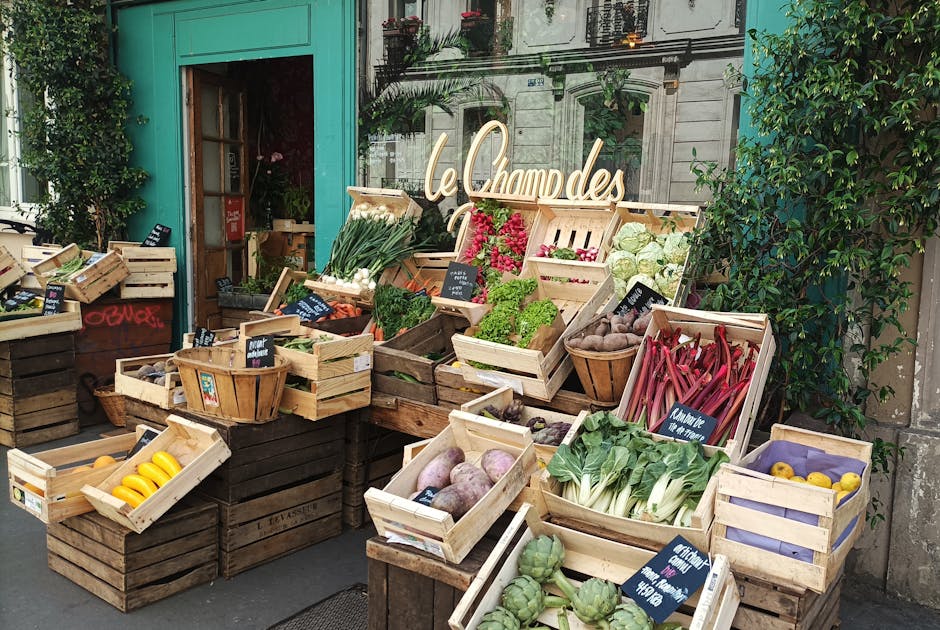
Photo by Leinad Trappah on Pexels
Google My Business
Optimizing your Google My Business (GMB) listing is paramount for local visibility. As of 2026, nearly 88% of consumers who search for a local business on Google visit their website or physical store within five miles. A complete and accurate GMB profile acts as a digital storefront, appearing prominently in Google Search and Maps results. Begin by verifying your business listing – this is the first critical step. Then, ensure all information, including your business name, address, phone number (NAP), and operating hours, is consistent across all online platforms. Regularly update your GMB profile with fresh photos showcasing your products and store environment. Consider adding posts highlighting special Easter promotions or events; these appear directly in the Google search results and can drive immediate traffic. Finally, actively respond to customer reviews – both positive and negative – demonstrating that you value customer feedback and are committed to providing excellent service. Data from 2025 shows that businesses actively responding to reviews see a 20% increase in customer engagement.
Local SEO
Local SEO goes beyond simply claiming your GMB listing; it’s about optimizing your entire online presence to rank higher in local search results. This involves several key tactics. Firstly, incorporate location-specific keywords into your website content, meta descriptions, and image alt tags. Think beyond just your city; consider neighborhood-specific terms if your business serves a localized area. Building local backlinks – links from other local businesses, community organizations, or news websites – signals to Google that your business is a trusted authority within the community. Participating in local online forums and directories is another valuable tactic. Furthermore, ensure your website is mobile-friendly, as a significant portion of local searches happen on mobile devices.
Section 6: Easter Sales Strategy Guide: Quick Tips

Photo by Ann H on Pexels
Discounts and Promotions
Creating compelling discounts and promotions is essential for driving Easter sales. Consider tiered discounts, such as “10% off orders over $50” or “15% off for first-time buyers.” Bundling products together at a discounted price can also be an effective strategy, particularly for gift-giving occasions like Easter. Highlight the savings clearly – use phrases like “Limited-Time Offer!” or “Save Big This Easter!” to create a sense of urgency. A 2025 study by the Retail Insights Group found that 65% of consumers are more likely to make a purchase if a discount is offered. Remember to clearly state any terms and conditions associated with your promotions, such as expiration dates or minimum purchase requirements. Offering free shipping on orders over a certain amount can also be a powerful incentive, particularly as shipping costs are a significant barrier to purchase for many consumers.
Limited-Time Offers
Limited-time offers are a powerful tool for boosting sales and creating a sense of urgency. These offers capitalize on the fear of missing out (FOMO), encouraging customers to act quickly. For Easter, consider flash sales lasting only a few hours or “early bird” discounts for customers who purchase before a certain date. Promote these offers heavily through email marketing and social media. The key to a successful limited-time offer is to make it truly limited – don’t extend the offer unless absolutely necessary. This maintains the sense of scarcity and encourages immediate action. Valentine’s Day sales data from 2026 showed that 72% of purchases were made within 48 hours of a limited-time promotion. For those looking for more seasonal ideas, see our guide to How to Increase Online Store Traffic for Valentine’s Day Sales.
Section 7: Maximizing Easter Sales with Data-Driven Insights
Analyzing Sales Trends
To truly maximize your Easter sales, you need to move beyond guesswork and leverage data-driven insights. Begin by analyzing sales data from previous years, paying close attention to which products were most popular and when sales peaked. Identify any patterns or trends that can inform your current strategy. For example, did certain promotions perform better than others? Did specific product categories see a surge in demand? Consider segmenting your data by customer demographics to identify key purchasing behaviors. Tools like Google Analytics and your e-commerce platform’s built-in reporting features provide valuable data points. Furthermore, monitor competitor activity – what promotions are they running? What products are they highlighting? Understanding the competitive landscape is crucial for positioning your business effectively. A recent report from the National Retail Federation indicated that mobile shopping accounts for over 60% of online sales, underscoring the importance of optimizing your mobile experience.
Identifying Opportunities
Beyond analyzing past performance, data can also help you identify new opportunities. Explore trending Easter-related keywords on Google Trends to understand what consumers are searching for. For instance, searches for “Easter basket ideas for toddlers” or “personalized Easter gifts” may indicate unmet demand. Social media listening tools can provide valuable insights into customer conversations and preferences. Are customers expressing frustration with shipping times? Are they requesting specific products? Use this feedback to refine your offerings and improve the customer experience. Consider A/B testing different marketing messages and promotional offers to see what resonates best with your audience. If you’re struggling to understand profitability in e-commerce, our guide to Understanding Profitability in E-commerce can provide valuable insights. Also, explore the impact of website speed on sales; a faster website leads to a better customer experience and higher conversion rates – learn more at The Impact of Website Speed on E-commerce.
Conclusion
Successfully navigating the Easter shopping season requires a multifaceted approach. By understanding your target audience, optimizing your online presence, and implementing strategic promotions, you can significantly increase your sales and build lasting customer relationships. Remember that the e-commerce landscape is constantly evolving, so it’s crucial to stay flexible and adapt your strategies based on real-time data. Leveraging local SEO techniques and analyzing sales trends are vital for maximizing your reach and identifying untapped opportunities. Get started with Quixess automation today and take your e-commerce sales to the next level.