

In the fast-moving digital economy of March 2026, the “solopreneur” dream of running a single Shopify store and retiring early has met a harsh reality. Algorithm shifts, rising ad costs, and platform-specific policy changes have turned “focusing on one store” into a dangerous operational bottleneck.
If your business lives and dies by a single marketplace, you don’t have an empire; you have a vulnerability.
To achieve “Oscar-level” success—much like the strategic career trajectory of Michael B. Jordan—modern founders must embrace a multi-channel e-commerce strategy. Here is why diversification is no longer optional, and how automation makes it sustainable.
1. Diversification as “Insurance” Against Volatility
Relying on one platform (like Etsy or Amazon) means you are building on rented land. In 2026, we’ve seen how quickly a single “search update” can slash traffic by 40% overnight.
By spreading your presence across 10+ channels—including TikTok Shop, Walmart, eBay, and your own D2C site—you create a resilient revenue web. If one pillar shakes, the others hold the weight. This isn’t just growth; it’s financial insurance.
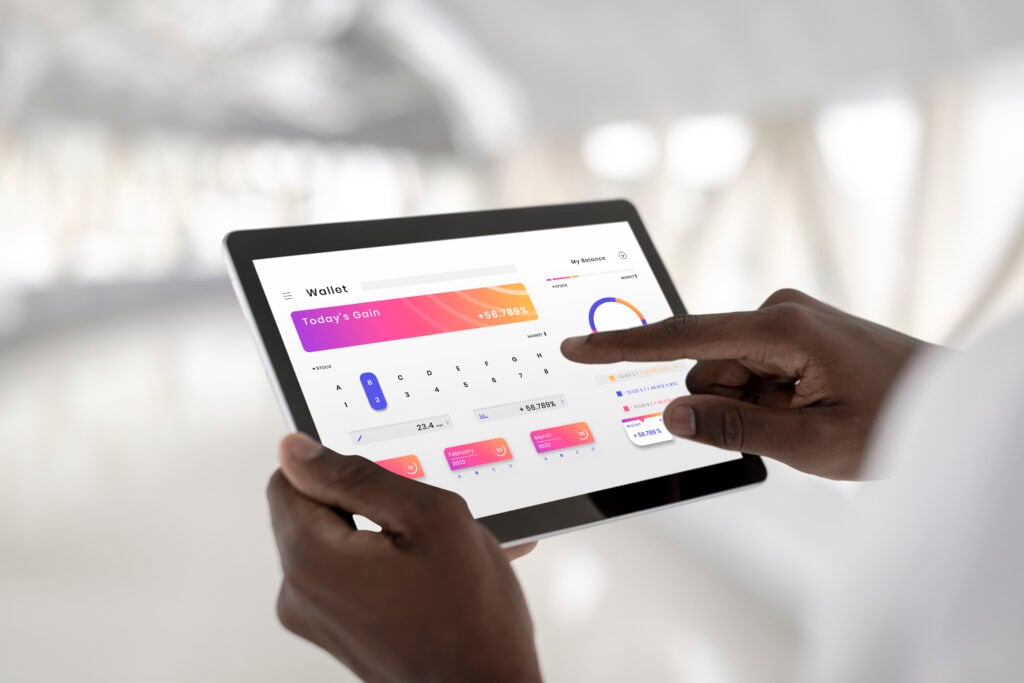
2. The “Tab-Switching Tax”: The Cost of Manual Management
The biggest deterrent to going multi-channel has always been the administrative nightmare. Manually syncing inventory across 10 marketplaces and communicating with 50+ suppliers is a recipe for burnout and “Overselling Anxiety.”
This is the “Manual Labor Tax.” Every hour you spend updating a spreadsheet is an hour you aren’t spending on high-level strategy or product innovation.
The Quixess Metric: Top sellers using our interface save an average of 25+ hours per week by automating the “busy work” of multi-channel management.
3. Managing the “Chaos” from One Interface
The secret to scaling isn’t working harder; it’s having a better Command Center. To dominate the 2026 market, you need a single pane of glass to view your entire ecosystem.
With Quixess automation, you can:
Sync 10+ Channels: Real-time inventory updates mean 0% overselling, whether a customer buys on Amazon or Shopify.
Unified Supplier Integration: Manage 50+ suppliers from one dashboard. No more fragmented emails or lost purchase orders.
Audit Shipping Margins: Automatically identify “Air Taxes” and shipping surcharges before they eat your Q2 profit.
4. From “Hustle” to “Infrastructure”
Success in the current retail climate demands a shift in mindset. You must move from being a “store owner” to being a “systems architect.”
When you automate the backend, you free up the mental bandwidth to identify the next big trend—like the 2026 shift toward “Heirloom Quality” and STEM-based gifting. You can’t spot these opportunities if you’re trapped in the warehouse printing labels.

Conclusion: Scale Without the Stress
A multi-channel e-commerce strategy is the only way to protect your margins and future-proof your brand in 2026. By leveraging the right tools, you can be everywhere at once without being overwhelmed.
Ready to see a 35% revenue boost? Don’t let manual logistics be the ceiling on your potential. Whether you are a veteran seller or just starting your journey, Quixess provides the automated tools to help you dominate from Day 1.