

Streamline Marketplace Tax Compliance for Multichannel Sellers
Navigating the complexities of sales tax, VAT, and nexus across Amazon, Walmart, and Shopify can feel like a full-time job. Managing taxes across multiple marketplaces is a daunting task, especially with ever-changing regulations. This article explores the importance of marketplace tax compliance and provides strategies to simplify operations, including understanding sales tax nexus, automating tax calculations, and addressing cross-border challenges.
Understanding Marketplace Tax Compliance
What is marketplace tax compliance?
Marketplace tax compliance refers to the process of collecting and remitting sales taxes on behalf of third-party sellers who utilize online marketplaces. It’s driven by increasing pressure on states to collect taxes from online sales. The South Dakota v. Wayfair Supreme Court decision in 2018 significantly altered this landscape, granting states the authority to require out-of-state businesses to collect sales tax if they have a sufficient connection, or “nexus,” within the state.
Why is it important?
For multichannel sellers, marketplace tax compliance is critical for legal and financial health. Failure to comply can lead to penalties, audits, and legal action. Maintaining accurate records and adhering to state regulations demonstrates professionalism.
Key concepts to know
Sales tax is a consumption tax levied by state and local governments. VAT, or Value Added Tax, is a consumption tax used in many countries. Nexus establishes a significant connection between a business and a state, triggering the requirement to collect and remit sales tax. Understanding these core elements is the first step towards building a robust compliance strategy. For more information on navigating marketplace complexities, consider reviewing our guide to marketplace product listing optimization.
Sales Tax Nexus: What You Need to Know
What is sales tax nexus?
Sales tax nexus is the connection between a business and a state that requires the business to collect and remit sales tax. It’s broader than physical presence, encompassing factors like sales volume or transaction count within a state, regardless of physical presence (economic nexus). Each state has its own nexus thresholds.
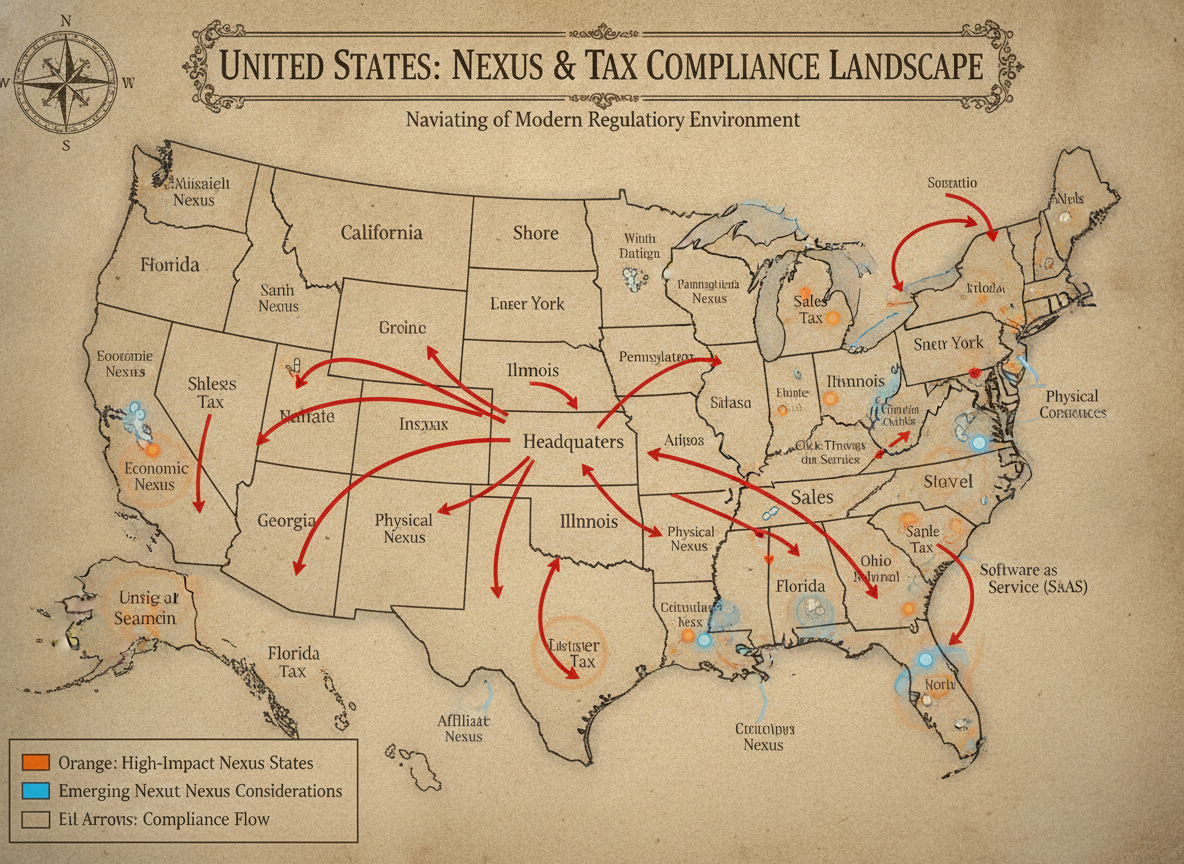
Photo by Quixess Social
How does it affect your business?
If you have nexus in a state, you’re obligated to register, obtain a sales tax permit, collect sales tax, and file regular returns. Ignoring nexus requirements can lead to penalties. Marketplace operators often collect and remit sales tax on behalf of sellers, but understanding your nexus obligations remains crucial.
Best practices for managing nexus
Managing nexus requires a proactive approach. First, conduct a nexus analysis to determine which states require you to collect and remit sales tax. Second, register with state agencies and obtain permits. Third, implement a system for tracking sales and calculating tax. Finally, stay informed about changes in state tax laws. For sellers dealing with shipping and fulfillment challenges, consider exploring marketplace shipping label integration.
Automating Tax Compliance: Benefits and Challenges
What is automated tax calculation?
Automated tax calculation utilizes software to automatically determine sales tax rates and collect taxes during checkout. These tools integrate with your online store and marketplace accounts, pulling in real-time data about customer locations and applicable tax laws.

How can it benefit your business?
Automated tax calculation saves time and resources, reduces errors, improves customer trust, and streamlines reporting. It frees up your team to focus on other critical business functions. For sellers struggling with inaccurate inventory data, inventory sync errors across marketplaces can be a contributing factor to address.
Challenges and limitations
Automated tax calculation requires an initial investment and ongoing maintenance. Integration with existing systems can be complex. It’s crucial to carefully evaluate solutions and choose one that aligns with your business needs. Remember that accurate data input remains vital for success. Another related challenge can arise from suppressed listings, reviewing marketplace suppressed listings recovery can help ensure data integrity for accurate tax calculations.
Cross-Border Tax Compliance: Challenges and Solutions
Cross-border tax compliance represents a significant hurdle for multichannel sellers expanding internationally. It involves navigating international regulations, VAT requirements, and differing legal frameworks. Cross-border tax compliance refers to the process of collecting and remitting taxes on sales made through online marketplaces that operate across international borders.
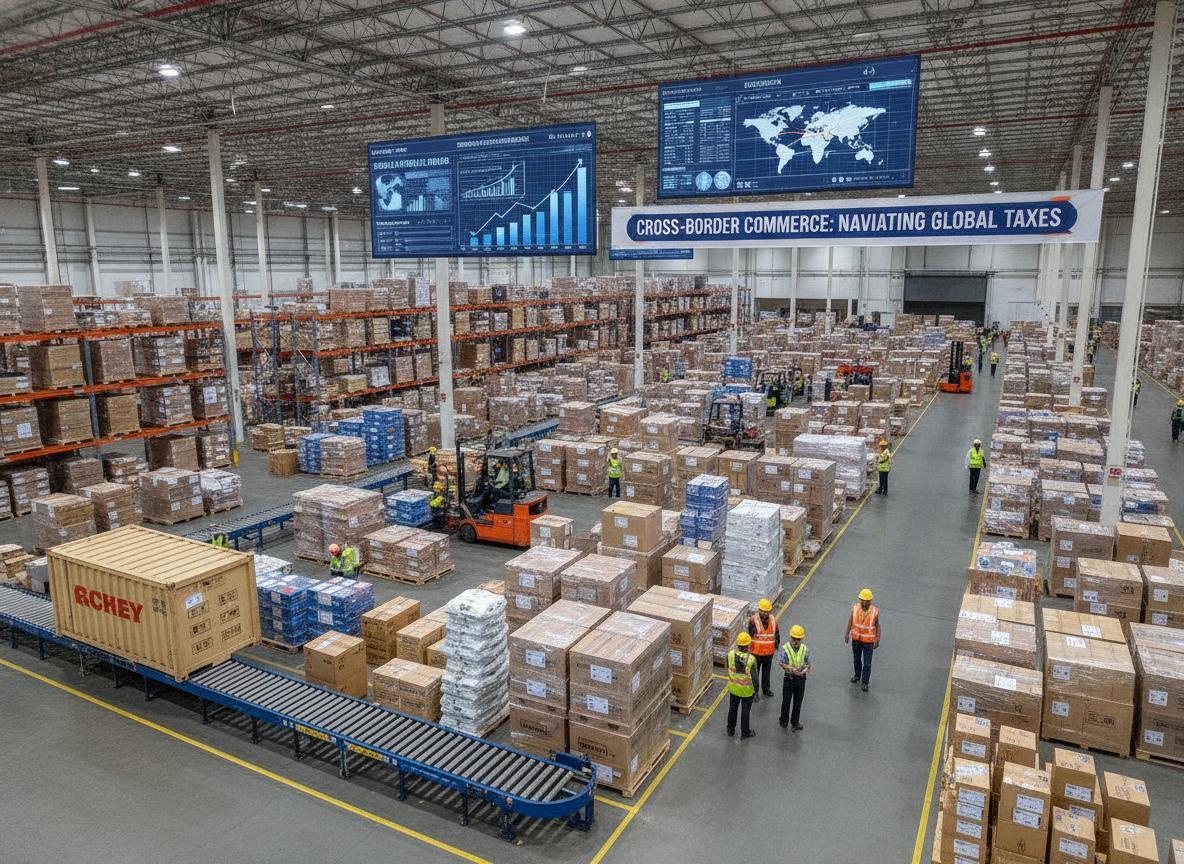
Photo by Quixess Social
The implications are far-reaching. Failure to comply can result in substantial penalties and account suspensions. The administrative burden of managing multiple tax systems can divert valuable time and resources. Consider a seller based in the United States selling on Amazon to customers in the European Union. They must understand and comply with VAT regulations in each EU member state.
Solutions often involve registering for VAT in relevant countries and leveraging technology, specialized software can automate much of the tax calculation and reporting process. Understanding your obligations and seeking professional guidance is crucial. For a deeper dive into optimizing your product listings, see our guide to Marketplace Product Listing Optimization.
Best Practices for Marketplace Tax Compliance
Registering for nexus is a foundational step. Nexus, in this context, refers to the point at which a seller has a sufficient connection to a state or country to be required to collect and remit taxes. Keeping track of these nexus obligations is critical to avoiding penalties.

Obtaining necessary licenses and permits is vital, and maintaining accurate records and ensuring timely renewal is essential. Staying informed about changes in tax laws is paramount.
Filing tax returns on time ensures that collected taxes are remitted. Many sellers find it beneficial to automate the filing process or engage a tax professional. To help diagnose and fix any issues with your inventory management, check out our article on Inventory Sync Errors Across Marketplaces. For sellers struggling with product data errors, a look at Marketplace Attribute Mapping can be helpful.
Conclusion
Navigating marketplace tax compliance can feel overwhelming, but it’s a necessary component of sustainable growth. Understanding sales tax nexus, VAT requirements, and cross-border regulations is paramount to avoiding penalties. By proactively registering for nexus, obtaining licenses, and diligently filing tax returns, you can establish a solid foundation for compliance. Staying informed about evolving tax laws and leveraging technology to automate processes are key to efficiency and accuracy. Consider consulting with a tax professional to ensure you’re meeting all your obligations.
Disclaimer
This article is general information, not tax advice. Tax rules change and depend on your own circumstances. Talk to a qualified tax professional before you act on anything here.