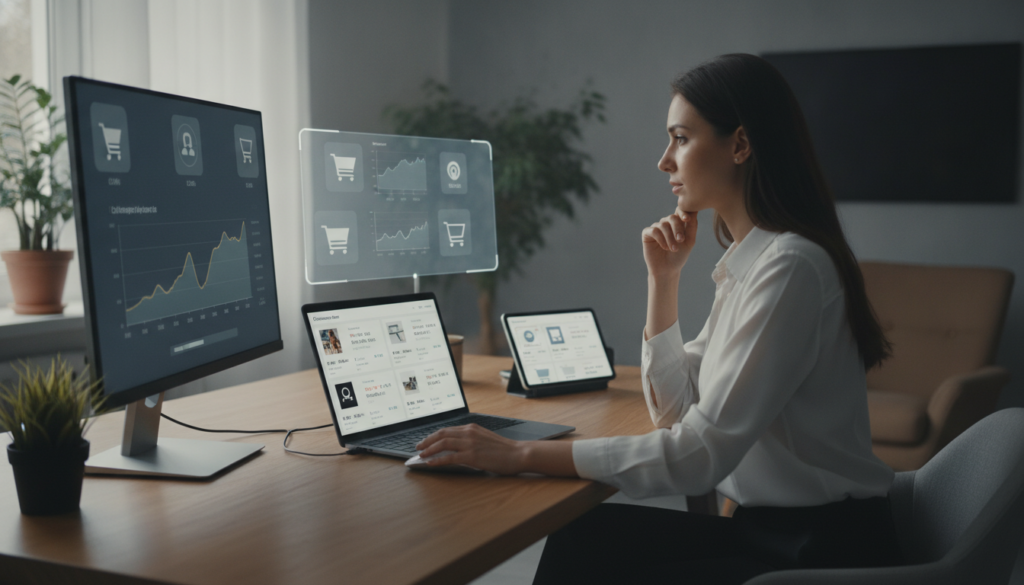

The promise of effortless income – building a thriving online store without the hassle of inventory management – is a powerful draw for many aspiring entrepreneurs. Dropshipping, when done right, offers that potential. However, the reality is that starting a successful dropshipping business demands more than just listing products and hoping for sales. It requires a strategic approach, a deep understanding of the market, and robust systems for multichannel ecommerce management.
Many newcomers are quickly overwhelmed by the complexities of sourcing products, managing orders, and dealing with customer service. This article provides a comprehensive guide for beginners, covering the fundamentals of dropshipping to advanced strategies for growth. We’ll walk you through what you need to know, essential tools, legal setup, and how to avoid common pitfalls.
What You Need to Know About Dropshipping
Understanding the Basics
Dropshipping is a retail fulfillment method where a store doesn’t keep products in stock. When a store sells an item, it purchases it from a third-party supplier and has it shipped directly to the customer. You act as a middleman, connecting customers with suppliers. This eliminates the need for significant upfront investment in inventory, warehousing, and shipping logistics. While the low barrier to entry is appealing, profit margins can be tighter, and you’re reliant on the supplier’s efficiency and product quality. Data indicates that approximately 68% of online retailers utilize some form of dropshipping, highlighting its prevalence and increased competition.
The benefits are reduced startup costs, a wider product selection without inventory risk, and location independence. However, risks include less control over shipping times and product quality, potential customer dissatisfaction, and fierce competition. Transparency with customers about the dropshipping model is also crucial.
Understanding the legal implications is paramount. You’re responsible for compliance with consumer protection laws and regulations, including accurate product descriptions and secure payment processing. Learn more about finding the best suppliers for your online store.
Key Players in the Industry
The dropshipping ecosystem involves suppliers (providing products), marketplaces (like Shopify, Etsy, and Amazon), and logistics providers (handling shipping). The rise of specialized dropshipping platforms has added complexity, offering curated products and fulfillment but often with higher fees. Staying informed about these changes is crucial. The key is to find reliable partners who align with your business values.
Choosing the Right Tools for Multichannel Ecommerce Management
Shopify Dropshipping Automation
Shopify is popular for dropshippers due to its ease of use and app store. While Shopify doesn’t offer native dropshipping functionality, apps automate tasks like syncing listings, updating inventory, and processing orders. Apps like Oberlo (now integrated into other platforms) and Spocket offer curated products and automated fulfillment. However, relying solely on these apps can limit flexibility. It’s important to understand how they work and have a backup plan. Integrating with a robust tool helps streamline operations further.

Photo by Julio Lopez on Pexels
Shopify’s built-in features can be leveraged for success. Utilize marketing tools like email marketing and social media integration to reach a wider audience and build brand awareness. Shopify’s reporting and analytics features provide insights into sales performance, allowing you to identify trends and optimize product offerings. Many successful dropshippers use Shopify’s theme customization options to create a unique and professional-looking online store.
Amazon Seller Optimization
Selling on Amazon requires a different approach than selling on your own website. Amazon’s seller guidelines and competitive marketplace demand meticulous product listing optimization, including keyword research, compelling descriptions, high-quality images, and competitive pricing. Maintaining a high seller rating is crucial, as negative reviews impact visibility and sales. Amazon’s algorithm prioritizes listings with positive feedback and fast shipping times. Strategies like Fulfillment by Amazon (FBA) can improve shipping times and customer satisfaction, but also incur additional fees.
Quixess offers solutions for Amazon seller optimization, automating tasks and providing data insights. Effective optimization requires ongoing effort and adaptation. Explore the dark side of Walmart Marketplace automation.
Setting Up Your Dropshipping Business
Registering Your Business
Register your business legally, considering your location and business structure. Common structures include sole proprietorship, partnership, limited liability company (LLC), and corporation. An LLC offers liability protection, separating your personal assets from business debts. Data indicates that approximately 65% of new online businesses registered as LLCs.

Photo by Markus Winkler on Pexels
Obtaining Necessary Licenses
Obtain specific licenses and permits to operate legally, including a general business license and a sales tax permit (if applicable). Requirements vary significantly by location. Failure to do so can result in fines and legal penalties. Read Walmart 2026: Expert Guide to New Seller Rules.
Common Mistakes to Avoid in Dropshipping
Poor Product Research
Many dropshippers rush into product selection without sufficient investigation. This can lead to losses. A product might appear trendy, but its viability depends on shipping costs, competition, and customer demand. Thorough product research involves analyzing sales data, competitor pricing, and identifying niche markets. Tools like Google Trends are essential. It’s vital to understand the product’s lifecycle and supplier reliability. Failing to do so can erode profits. Consider the impact of sustainability and ethical sourcing on consumer preferences.

Photo by Tima Miroshnichenko on Pexels
Inadequate Customer Service
Exceptional customer service is crucial in ecommerce. Dropshipping introduces complexities that can frustrate customers. Prompt and empathetic resolution of issues like delayed shipping or product defects is essential. Providing adequate customer service requires more than just responding to complaints; it’s about proactively addressing potential issues and building customer loyalty. Consider the impact of Walmart Marketplace seller requirements.
Pro Tips for Success in Dropshipping
Negotiating with Suppliers
Securing favorable pricing is a cornerstone of dropshipping profitability. Don’t be afraid to ask for discounts, especially for recurring orders. Building a strong relationship with suppliers is key. Explore alternative suppliers and consider bundling products. Maintaining a positive relationship is crucial.

Photo by EqualStock IN on Pexels
Using Data to Optimize
Data is vital for any ecommerce business. Track key metrics like conversion rates and customer acquisition costs. Google Analytics provides insights into website traffic and user behavior. Data analysis is essential for optimizing product listings and marketing campaigns. Leverage customer feedback to identify areas for improvement. Tools like Quixess can help centralize data. Here’s how to avoid the top 5 ecommerce operations streamlining mistakes.
Conclusion
Starting a successful dropshipping business requires careful planning and execution. It’s not a “get-rich-quick” scheme, but a viable business model when approached strategically. We’ve covered the fundamentals, from selecting products to managing multichannel ecommerce. Remember the importance of thorough product research and exceptional customer service. Don’t underestimate the power of data – consistently analyzing your performance metrics and adapting your strategies is essential for sustained growth. Here’s how Quixess clients increased sales by 35% on Walmart Marketplace.
The evolving landscape of ecommerce demands constant adaptation. Keep abreast of changes in platform algorithms and consumer preferences. Be mindful of the evolving Walmart seller requirements. Learn how Quixess clients increased sales on Walmart Marketplace.
Reach out to Quixess for expert guidance and support. Let us empower your dropshipping business to reach its full potential.