
The relentless pursuit of growth in the e-commerce landscape has led many businesses to embrace the allure of marketplace automation. As online shopping continues to grow, e-commerce sellers are facing increasing pressure to optimize their operations and stay competitive in crowded marketplaces. Walmart Marketplace, in particular, has become a significant battleground, attracting countless sellers eager to tap into its vast customer base. However, what’s happening beneath the surface of these popular platforms? The promise of streamlined operations and increased sales often masks a complex web of challenges that many businesses fail to anticipate.
This article dives deep into the realities of Walmart Marketplace automation, exploring not just the benefits but also the pitfalls that can derail even the most ambitious ventures. We’ll examine the difficulties of multichannel ecommerce management, the crucial role of amazon seller optimization, the potential of shopify dropshipping automation, and what walmart marketplace sales growth truly means for your business. Furthermore, we’ll investigate strategies for ecommerce operations streamlining and dropshipping business solutions to help you navigate this evolving landscape and ultimately achieve sustainable success.
The Rise of Walmart Marketplace Automation
Increasing Competition
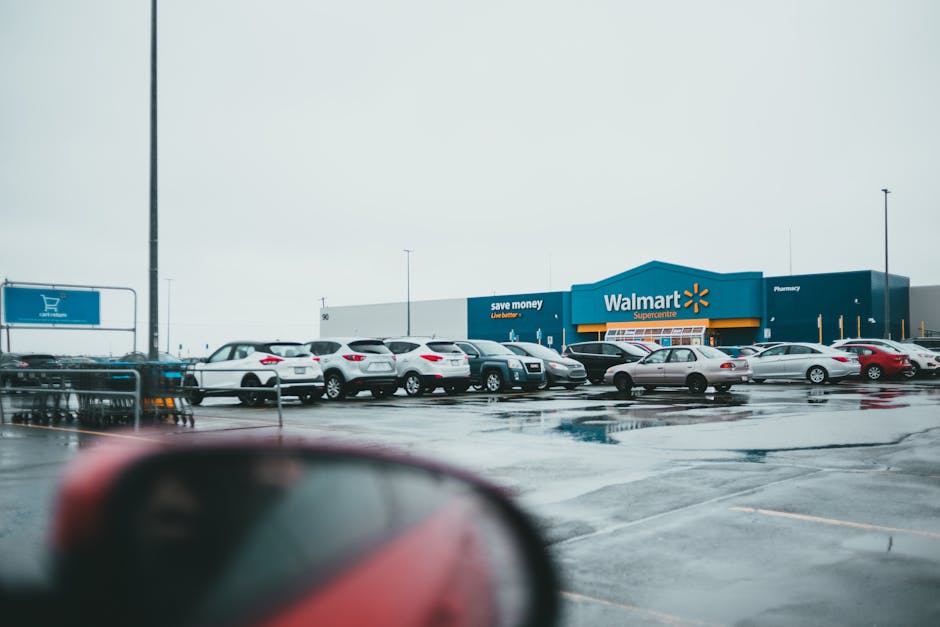
Walmart’s ascent in the e-commerce arena has been remarkable. The company has aggressively invested in its online infrastructure, acquiring Jet.com in 2016 and rapidly expanding its marketplace. This expansion has created a powerful platform, attracting both established brands and smaller businesses. As a result, competition on Walmart Marketplace is fierce. Sellers face pressure not only from other marketplace vendors but also from Walmart’s own private-label brands.
This increased competition necessitates a shift in strategies. Simply listing products and hoping for the best is no longer sufficient. Sellers must actively optimize their product listings, manage inventory effectively, and provide exceptional customer service to stand out. Many are turning to automation tools to help manage this complexity, hoping to free up time and resources to focus on other aspects of their business. The desire to compete effectively has fueled the rise of specialized software and services designed to automate various aspects of selling on Walmart Marketplace.
Growing Demand for Fast Shipping
Alongside increased competition, the expectation for fast shipping has dramatically reshaped the e-commerce landscape. Consumers are accustomed to receiving orders within days, thanks largely to Amazon Prime. Walmart has responded by introducing its own free two-day shipping program, putting pressure on other marketplace sellers. This creates a significant challenge for smaller businesses that may not have the infrastructure to handle expedited shipping.
Automation plays a vital role in meeting this demand. Automated inventory management systems can help sellers anticipate order volume and ensure they have sufficient stock. Integration with third-party logistics (3PL) providers can streamline the fulfillment process. Automated repricing tools help sellers remain competitive on price. For those struggling to keep up, exploring resources like Walmart’s 2026 Marketplace Optimization Requirements can be crucial for staying compliant and competitive.
The Challenges of Multichannel Ecommerce Management
Managing Inventory Across Multiple Channels
Multichannel ecommerce management presents a significant hurdle for many businesses. Maintaining accurate inventory levels across disparate systems is a constant struggle. Overselling leads to canceled orders, frustrated customers, and damage to a seller’s reputation.

Photo by Negative Space on Pexels
The problem is exacerbated by the fact that each marketplace operates with its own unique inventory management protocols. Manual reconciliation is time-consuming and error-prone. The need for a centralized, real-time view of inventory is paramount, and neglecting this aspect can quickly lead to operational chaos. For those finding themselves overwhelmed, examining the principles outlined in The Top 5 Ecommerce Operations Streamlining Mistakes to Avoid can offer valuable insights.
Dealing with Differing Customer Expectations
Beyond inventory, differing customer expectations across channels add another layer of complexity. Amazon customers are accustomed to lightning-fast shipping and exceptional customer service. Walmart Marketplace customers, while also valuing convenience, may have slightly different expectations. Failing to tailor your approach to meet the specific needs of each platform’s customer base can lead to negative reviews and lost sales.
Consider a scenario where a seller uses a generic return policy across all channels. An Amazon customer might be frustrated by a more restrictive policy on Walmart Marketplace, resulting in a negative review. Similarly, communication styles should be adapted to align with the tone and expectations of each platform.
Amazon Seller Optimization: A Key to Success
Optimizing Product Listings
In the competitive landscape of online marketplaces, amazon seller optimization is a necessity for survival. Product listings are the digital storefronts for your products, and they need to be compelling, informative, and optimized for search. This includes keyword research, title optimization, detailed descriptions, and high-quality images.

Photo by cottonbro studio on Pexels
The process starts with understanding what customers are searching for. Keyword research tools can help identify the terms buyers are using. These keywords should be incorporated naturally into the product title, bullet points, and description. High-quality product images are equally crucial. A/B testing different listing variations can reveal which elements resonate best with potential customers. Sellers looking to refine their approach might benefit from the insights in The 2026 Amazon Seller Optimization Blind Spot.
Managing Shipping and Fulfillment
Shipping and fulfillment are often the unsung heroes of the e-commerce experience. Late deliveries, damaged goods, and confusing return policies can erode customer trust. Efficient amazon seller optimization extends beyond the product listing to encompass the entire fulfillment process.
Sellers have several options for managing fulfillment: self-fulfillment, using a 3PL provider, or utilizing the marketplace’s fulfillment service. Regardless of the chosen method, sellers must prioritize accurate order processing, timely shipping, and clear communication throughout the fulfillment journey. The complexities of scaling a business are further explored in Busting the Scaling Lie: Real Ecommerce Growth Solutions.
Shopify Dropshipping Automation: A Game-Changer for Small Businesses
Dropshipping has long been a popular entry point for aspiring entrepreneurs, offering a low-risk way to test product ideas. However, the manual processes often associated with dropshipping can quickly become overwhelming, especially as a business scales. This is where dropshipping automation steps in, transforming a time-consuming chore into a streamlined operation. Automation reduces the potential for human error, freeing up valuable time for marketing, product research, and customer service.

Photo by Kampus Production on Pexels
Streamlining Order Fulfillment
The core of dropshipping automation revolves around integrating your Shopify store with your chosen suppliers. This integration enables automatic order routing; when a customer places an order on your Shopify store, the information is automatically sent to the supplier, who then handles the fulfillment process. Several apps and services facilitate this integration. This level of automation is crucial for maintaining a positive customer experience.
Managing Inventory and Shipping
Inventory management is another critical area where automation shines. Manually tracking inventory levels across multiple suppliers is a recipe for stockouts. Automated inventory management solutions synchronize your Shopify store with supplier inventory, providing real-time updates. Shipping, too, can be significantly streamlined. Automated shipping solutions calculate shipping costs, generate labels, and provide tracking information. The ability to accurately predict and manage shipping costs is a major advantage. The combination of automated inventory and shipping processes creates a more reliable and efficient dropshipping operation.
Walmart Marketplace Sales Growth: What Does It Mean for Ecommerce Sellers?
Walmart’s continued expansion of its online marketplace presents both opportunities and challenges for ecommerce sellers. The platform’s growing presence is attracting more shoppers, creating a larger potential customer base for sellers. However, this increased visibility also intensifies competition and demands a higher level of operational efficiency.

Photo by Alfo Medeiros on Pexels
Increased Competition and Pressure to Optimize
The influx of new sellers onto Walmart Marketplace means increased competition for product visibility and sales. Sellers now face a more crowded marketplace, making it more difficult to stand out. Walmart’s algorithms prioritize sellers who provide a superior customer experience, including competitive pricing, accurate product information, and timely order fulfillment. Those who fail to meet these expectations risk being penalized. The rise in competition also necessitates a deeper understanding of Walmart’s seller policies.
Key Takeaways and Next Steps
The e-commerce landscape is constantly evolving, demanding agility and a proactive approach from online businesses. The rise of Walmart Marketplace automation, the complexities of multichannel ecommerce management, and the challenges of dropshipping all highlight the need for efficient and scalable solutions. Successfully navigating these challenges requires a holistic approach, encompassing everything from product sourcing to customer service.

Photo by Siarhei Nester on Pexels
Actionable Tips for Ecommerce Sellers
Several key takeaways emerge. Firstly, embracing automation is a necessity. Automating repetitive tasks frees up valuable time. Secondly, optimizing product listings and ensuring accurate product information are critical. Thirdly, providing exceptional customer service is paramount. Fourthly, diversifying sales channels is a smart strategy. Sellers struggling with optimizing their Amazon presence can find valuable insights in “The 2026 Amazon Seller Optimization Blind Spot.”
Conclusion
The e-commerce journey is rarely straightforward. The rise of Walmart Marketplace, the intricacies of dropshipping, and the constant evolution of online retail all demand adaptability. Success in today’s e-commerce landscape requires a holistic view of your business, integrating efficient processes and leveraging technology to streamline operations.
The pressure to optimize is relentless. Sellers must continually evaluate their product listings, pricing strategies, and shipping methods to remain competitive. Diversifying sales channels and embracing automation are essential. Furthermore, remember that the customer experience remains paramount. Building trust and loyalty through exceptional service is the foundation of a sustainable e-commerce business.
The next steps are clear: assess your current operations, identify areas for improvement, and begin implementing strategies to streamline your processes. Explore automation solutions, optimize your product listings, and prioritize customer satisfaction. We encourage you to explore our resources and connect with our team to discover how we can help you navigate the ever-changing e-commerce landscape and achieve your business goals.