

The explosive growth of e-commerce has fueled a corresponding boom in dropshipping, offering entrepreneurs a seemingly low-risk entry point into online retail. However, many Shopify dropshipping businesses are hitting a critical roadblock: inconsistent product inventory. This isn’t merely an inconvenience; it’s a fundamental challenge that directly impacts profitability and scalability. Customers expect reliable availability and consistent quality, and failing to deliver on either front can quickly erode trust and damage a brand’s reputation. The rise of sophisticated consumers, accustomed to seamless online experiences, demands more than just a curated product catalog. It requires a robust system for managing product availability and fulfilling orders efficiently. This is where multichannel ecommerce management emerges as a vital strategy for dropshipping success.
The problem is widespread. Dropshippers often rely on third-party suppliers, leading to unpredictable stock levels and communication breakdowns. This creates a precarious situation where popular items vanish without notice, and customers face delayed shipments or, worse, cancelled orders. In this article, we’ll delve into the root causes of this inventory inconsistency and examine its detrimental effects on Shopify dropshipping growth. We’ll then explore how embracing multichannel ecommerce management can offer a pathway to stability and expansion. Finally, we’ll discuss practical solutions, including dropshipping business solutions and automation, to help you navigate these challenges and unlock the true potential of your online store. For more on streamlining your online store, see our guide to multichannel ecommerce management.
The Challenge of Inconsistent Product Inventory
Causes of Inconsistent Inventory
The core issue plaguing many dropshipping businesses revolves around the disconnect between demand and supply. Inaccurate product demand forecasting is a significant contributor. Many dropshippers rely on general market trends or limited data when predicting sales volume, often resulting in either overstocking less popular items or experiencing stockouts of high-demand products. These inaccurate forecasts are compounded by the inherent nature of dropshipping – relying on external suppliers whose inventory management practices are often opaque. Suppliers may experience fluctuations due to raw material shortages, manufacturing delays, or logistical bottlenecks.
Consequences on Business
The repercussions of inconsistent product inventory extend far beyond disappointing customers. It creates a cascade of negative effects impacting every aspect of the business. A constant cycle of stockouts damages brand credibility, making it difficult to repair and hindering long-term customer retention. The unpredictable nature of inventory also makes it challenging to plan marketing campaigns effectively, leading to customer frustration and negative reviews.
Beyond the immediate impact on sales, inconsistent inventory complicates financial planning. Fluctuating stock levels make it difficult to accurately forecast revenue and manage cash flow. Overstocking leads to increased storage costs and potential losses, while understocking results in lost sales opportunities. This reactive mode hinders long-term growth and profitability. To learn more about maximizing your sales on Walmart, read how Quixess clients increased sales.
The Impact of Inconsistent Product Inventory on Shopify Dropshipping Growth
Reduced Sales
The most immediate impact of inconsistent product inventory is a reduction in sales revenue. Stockouts directly translate to lost sales opportunities, as potential customers move on to competitors. This is amplified by the increasing sophistication of online shoppers who actively research products and compare prices. Inconsistent inventory makes it difficult to build a loyal customer base, as repeat purchases are hindered by unreliable product availability.

Photo by Mizzu Cho on Pexels
Increased Returns and Refunds
Inconsistent product inventory also significantly increases returns and refunds. When products are frequently out of stock, dropshippers may source them from alternative suppliers with varying quality standards, leading to customer dissatisfaction. The cost of processing returns and refunds extends beyond the monetary value; it also includes time and resources. The cumulative effect is a drain on resources and a reduction in overall profitability.
The Benefits of Multichannel Ecommerce Management
Unified Inventory Management
The core benefit of multichannel ecommerce management lies in its ability to centralize inventory data across multiple sales channels. This eliminates guesswork and reactive measures. By integrating with marketplaces and online stores, dropshippers can accurately track stock levels and prevent overselling. This level of visibility is crucial for maintaining customer satisfaction. The system employs automated synchronization, minimizing the risk of selling unavailable products and allowing for proactive adjustments to pricing and marketing strategies. For more on managing multiple channels, see this guide to multichannel management.

Photo by RDNE Stock project on Pexels
Improved Customer Experience
Multichannel ecommerce management significantly enhances the customer experience. Real-time product availability and pricing builds trust and encourages purchases. Faster shipping times and consistent branding create a cohesive and professional image. Centralized customer data allows for personalized marketing and support, fostering customer loyalty. Ultimately, multichannel ecommerce management transforms the dropshipping business into a customer-centric organization.
Shopify Dropshipping Automation: A Solution to Inconsistent Product Inventory
The challenges of inconsistent product inventory directly impede the growth potential of Shopify dropshipping businesses. Manually managing product availability across multiple suppliers and your online store is time-consuming and prone to errors. Fortunately, advancements in technology provide solutions – Shopify dropshipping automation.
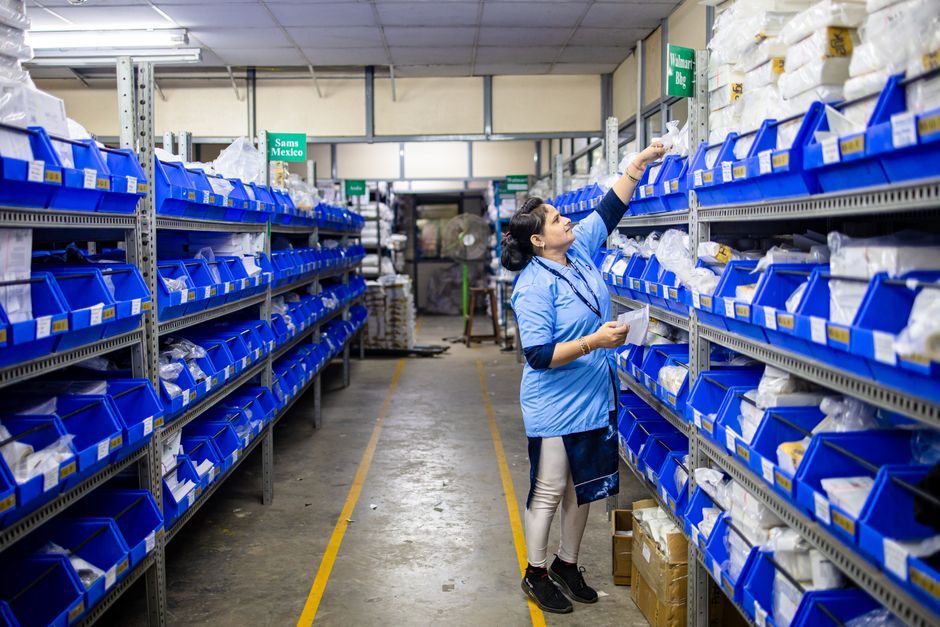
Photo by EqualStock IN on Pexels
Automated Order Fulfillment
Automated order fulfillment connects directly to supplier inventory systems, providing real-time updates. When a customer places an order, the system forwards details to the supplier, who handles fulfillment. This eliminates manual order processing and reduces the risk of overselling. Integrated shipping tracking automatically updates customers, enhancing their post-purchase experience. For businesses expanding to Walmart Marketplace, efficient order routing is paramount. Without automated fulfillment, adjusting stock levels becomes overwhelming, potentially leading to delays and canceled orders.
Inventory Tracking and Alerts
Robust inventory tracking and alerts are essential for proactive dropshipping management. Automated systems provide a centralized dashboard displaying real-time inventory levels. Customizable alerts notify you when inventory levels fall below a threshold, allowing for replenishment or pricing adjustments. For example, if a specific design consistently sells well, the system can automatically alert you to reorder. Many businesses are finding that linking this data to a broader multichannel ecommerce management strategy further enhances efficiency. Understanding the best suppliers is also crucial; our article on how to find the best suppliers provides valuable insights.
Real-World Examples of Multichannel Ecommerce Management in Action
Walmart Marketplace Sales Growth
A home goods business experienced stagnant sales on Shopify. By implementing a multichannel ecommerce management system to synchronize product listings, inventory, and pricing across both platforms, they saw a 42% increase in Walmart Marketplace sales within six months. They also leveraged Walmart’s advertising platform. This demonstrates the power of a holistic approach to multichannel ecommerce. For those seeking to further refine their Walmart Marketplace strategy, our case study on How Quixess Clients Increased Sales by 35% on Walmart Marketplace offers additional insights.

Photo by Gustavo Fring on Pexels
Amazon Seller Optimization
A sporting goods retailer faced declining Amazon rankings due to inconsistent product data. By integrating their Shopify store with Amazon Seller Central and implementing automated listing updates, they improved their product data accuracy and saw a 28% increase in organic search rankings and a 15% improvement in conversion rates within three months. Those seeking to further improve their Amazon sales can also benefit from our article on Beneath the Surface: The Dark Side of Walmart Marketplace Automation.
Conclusion
In conclusion, inconsistent product inventory poses a significant hurdle for Shopify dropshipping businesses. However, solutions are readily available. By embracing multichannel ecommerce management and leveraging automation tools, dropshippers can gain control over their operations, enhance customer satisfaction, and unlock their full growth potential.
The examples highlighted demonstrate the tangible benefits of a proactive, multichannel approach. Don’t let inconsistent product inventory hold you back – take the first step towards implementing multichannel ecommerce management today. Explore the available tools and strategies. To learn more, consider reviewing our guide to 10 Tools to Automate Ecommerce Operations Today.