

Streamline Operations with a Multichannel Inventory Holdback Strategy
As an e-commerce business owner, managing multiple marketplaces and channels can be overwhelming. A well-planned inventory holdback strategy can help you streamline operations and drive growth. By reserving stock for high-margin channels, you can maximize profitability and stay competitive. In this article, we’ll explore how to implement a multichannel inventory holdback strategy, including understanding the importance of inventory holdback, channel prioritization, and strategic stock distribution.
Understanding the Importance of Inventory Holdback
Defining Inventory Holdback
Benefits of a Multichannel Inventory Holdback Strategy
A multichannel inventory holdback strategy offers several benefits, including reduced overselling, improved profitability, and increased efficiency. By prioritizing high-margin channels, businesses can maximize their revenue and reduce waste. For more on optimizing ecommerce business operations, see our guide to marketplace profitability analysis.
Channel Prioritization and Inventory Allocation
Identifying High-Margin Channels
Identifying high-margin channels is crucial for a successful inventory holdback strategy. Businesses should analyze their historical data and market trends to determine which channels are most profitable. For example, a business may find that their direct-to-consumer sales channel is more profitable than their marketplace sales channel.

Photo by Quixess Social
Allocating Inventory Based on Profit Margin
Allocating inventory based on profit margin is a key component of a multichannel inventory holdback strategy. Businesses should analyze their profit margins for each channel and allocate their inventory accordingly. By allocating inventory based on profit margin, businesses can maximize their revenue and reduce waste. For more on streamlining ecommerce operations, see our guide to multichannel order routing.
Strategic Stock Distribution and Marketplace Competition
Distributing Stock Strategically Across Marketplaces
Distributing stock strategically across marketplaces is crucial for a successful inventory holdback strategy. Businesses should analyze their market trends and customer behavior to determine which marketplaces are most profitable. By distributing stock strategically, businesses can maximize their revenue and reduce waste. According to a study, businesses that distribute their stock strategically across marketplaces can see an average increase of 25% in revenue.

Photo by RDNE Stock project on Pexels
Preventing Overselling and Managing Marketplace Competition
Preventing overselling and managing marketplace competition is a key component of a multichannel inventory holdback strategy. Businesses should analyze their sales data and customer behavior to identify opportunities for growth and prevent overselling. For more on mastering multichannel inventory allocation, see our guide to multichannel inventory allocation.
Implementing a Multichannel Inventory Holdback Strategy with Quixess Commerce
Quixess Commerce can help with inventory holdback by automating product listing and catalog management, reducing errors and improving efficiency. The platform provides a range of tools and features to support multichannel inventory holdback, including automated inventory tracking and reporting. According to a study, businesses that use automated inventory management systems can reduce their inventory costs by up to 20%.
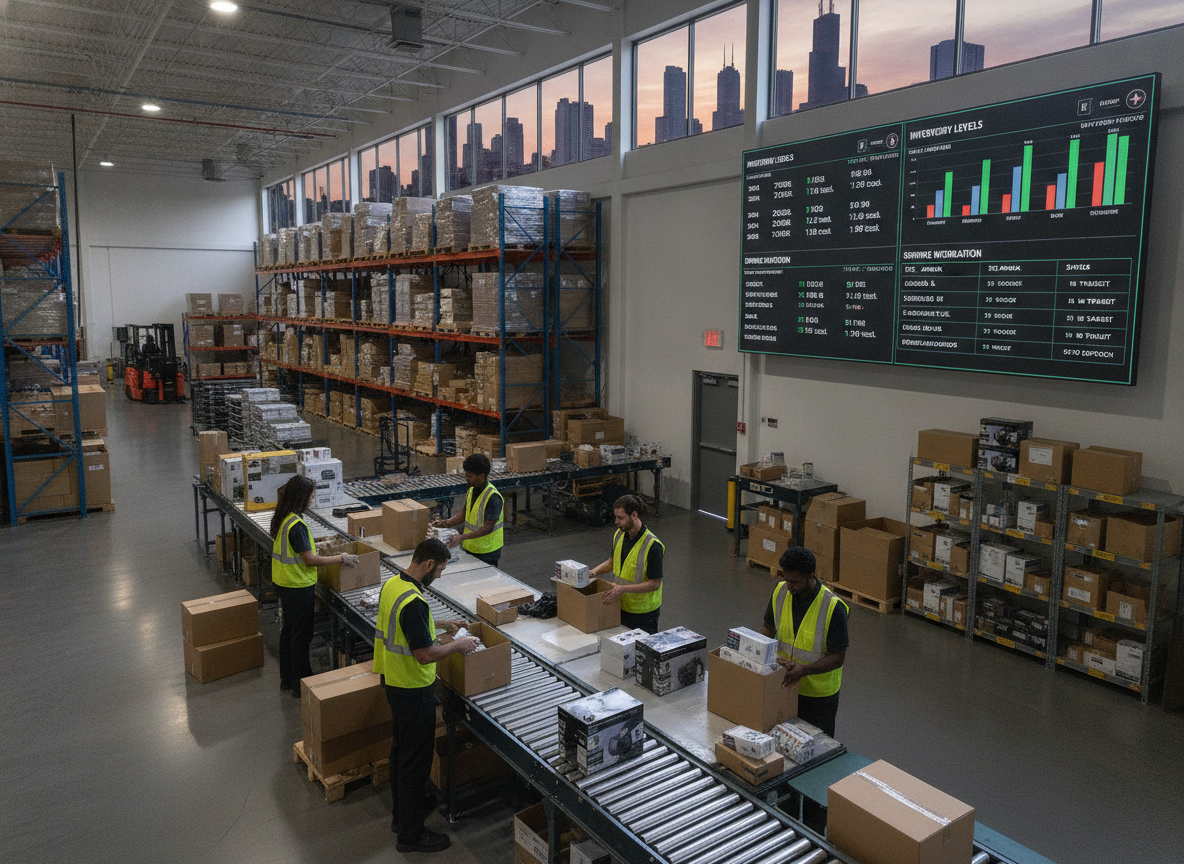
Photo by Quixess Social
Best Practices for Managing a Multichannel Inventory Holdback Strategy
Monitoring inventory levels and marketplace trends is crucial to adjusting stock allocation as needed. Businesses should use data and analytics to inform their stock allocation decisions and ensure that their products are always in stock and available for sale on the right channels. For example, by tracking sales trends and seasonality, businesses can anticipate changes in demand and adjust their inventory levels accordingly.

Monitoring Inventory Levels and Marketplace Trends
Businesses should regularly review their inventory levels and marketplace trends to identify opportunities to optimize their stock allocation. According to a study, businesses that use data-driven inventory management can reduce their inventory costs by up to 15%.
Conclusion
In conclusion, implementing a multichannel inventory holdback strategy can help streamline operations and drive growth. By following the best practices outlined in this article, businesses can improve their chances of success in the competitive e-commerce landscape. To take the next step, consider exploring our resources on multichannel order routing and dynamic pricing strategies to further optimize your ecommerce operations.