

Streamline Your E-commerce Operations with Multichannel Order Routing
Are you tired of the constant juggle of manually updating product listings across multiple marketplaces? Do you find yourself spending countless hours wrestling with inventory management and escalating fulfillment costs? In today’s fast-paced e-commerce landscape, efficiency isn’t just a benefit, it’s a necessity. Multichannel order routing offers a powerful solution for online stores managing sales across various platforms. This article will explore the problem with manual order routing, demonstrate how streamlining inventory is possible, and provide best practices for implementation, helping you optimize your operations and maximize profitability.
The Problem with Manual Order Routing
The Consequences of Manual Updates
For many online stores, order fulfillment remains largely manual. This approach, sufficient when selling on a single platform, becomes problematic with multichannel retail, selling across Amazon, Walmart, Shopify, and others, increasing complexity and potential for errors. Inconsistent product listings are a common symptom. Imagine a customer seeing different prices or descriptions for the same product on Amazon versus your Shopify store. This erodes trust and can lead to lost sales. These inconsistencies arise from the difficulty of keeping information aligned across disparate systems.
Manual updates increase the risk of stock discrepancies, leading to overselling or missed sales opportunities. The time spent correcting errors and reconciling data diverts resources from strategic activities like marketing and product development. The reliance on manual processes also creates a bottleneck, slowing down order processing and impacting delivery times. Even minor mistakes, like an incorrect shipping address, can trigger costly chargebacks.
The Time and Effort Required
The volume of work involved in manual order routing is often underestimated. Consider a store selling hundreds or thousands of products across multiple channels. Each product listing requires constant monitoring and updating, quickly becoming overwhelming. Ongoing maintenance is crucial to ensure accuracy and consistency. Seasonal promotions and product changes necessitate widespread updates, consuming valuable time and resources. Small businesses often find themselves dedicating a disproportionate amount of time to these repetitive tasks, hindering their ability to scale.
This isn’t just about hours spent on data entry; it’s about opportunity cost. The time spent correcting errors could be better spent analyzing sales data, optimizing marketing campaigns, or developing new products. For example, a business owner might postpone a crucial product launch due to being bogged down in correcting errors. The cumulative effect of these delays can impact profitability and long-term success.
How Quixess Commerce Solves the Problem
Automated Product Listing
Efficient multichannel management lies in automation. Quixess Commerce tackles manual order routing by automating product listing and catalog management across all sales channels. Instead of manually entering product details for each marketplace, the platform synchronizes data, ensuring consistency and accuracy. This eliminates discrepancies and frees up time. The solution also handles routine tasks like updating pricing and inventory levels, reducing human error. Efficient multichannel management is key.
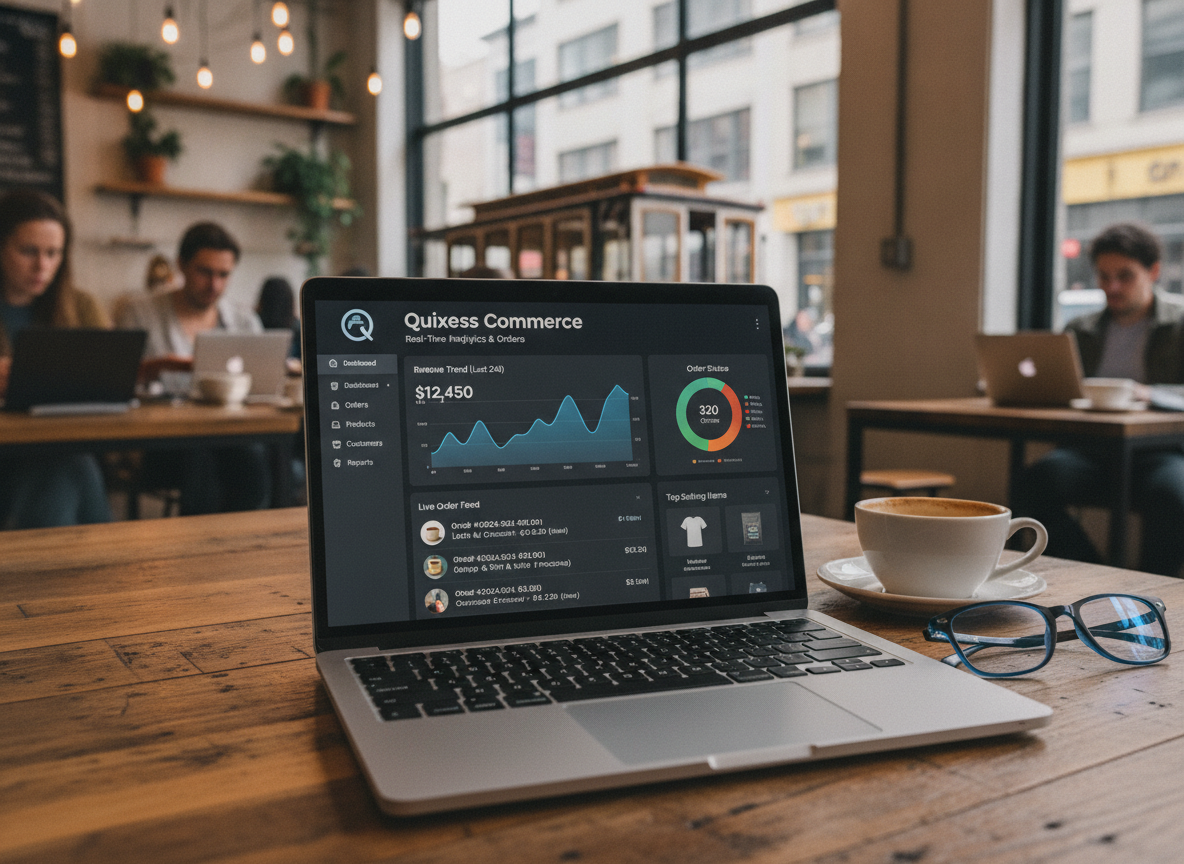
Photo by Quixess Social
The automated product listing feature saves time and improves data quality. The platform validates product information against each marketplace’s requirements, preventing listing errors that can lead to suppressed listings or account suspensions. For example, if Amazon requires a specific product attribute, the platform formats the data accordingly. The solution also handles bulk updates, allowing quick changes to thousands of products simultaneously. The ability to automatically generate and submit product feeds significantly reduces workload.
Supplier Integration and Data Standardization
Quixess Commerce connects directly to supplier feeds, APIs, and product catalogs, ensuring inventory data is always up-to-date. This eliminates manual data entry and reduces the risk of stockouts. The integration process is seamless, even for businesses with limited technical expertise. If a supplier updates a product price, this change is automatically reflected in your marketplace listings.
Data standardization is crucial. Different marketplaces have different data formats. Quixess Commerce automatically standardizes product data, ensuring compatibility with all sales channels. This eliminates manual data transformation and reduces errors. The platform supports custom data mapping, allowing you to tailor data to each marketplace. This guide provides more detail.
Benefits of Multichannel Order Routing
Multichannel order routing optimizes fulfillment processes and boosts profitability. Manually directing orders is time-consuming and error-prone, especially as businesses expand. Automating this process intelligently directs orders to the most cost-effective location, unlocking benefits.

One advantage is reduced fulfillment costs. By dynamically routing orders to fulfillment centers based on factors like shipping distance, inventory levels, and carrier rates, businesses can minimize shipping expenses and storage fees. For instance, an order destined for a customer in California might be fulfilled from a West Coast warehouse, while an order for a customer in New York is fulfilled from an East Coast facility, reducing transit times and costs. This impacts the bottom line.
Multichannel order routing also improves customer experience. Efficient and accurate fulfillment leads to increased satisfaction and repeat business. Accurate product information is vital, which automated routing helps ensure by reflecting real-time inventory availability. Businesses often see increased positive reviews and fewer support inquiries. For insights into optimizing inventory, consider our guide to multichannel inventory allocation.
Best Practices for Implementing Multichannel Order Routing
Successfully implementing multichannel order routing requires understanding marketplace requirements and a strategic approach. Automating order routing isn’t enough; it needs to be aligned with business goals and optimized for performance.
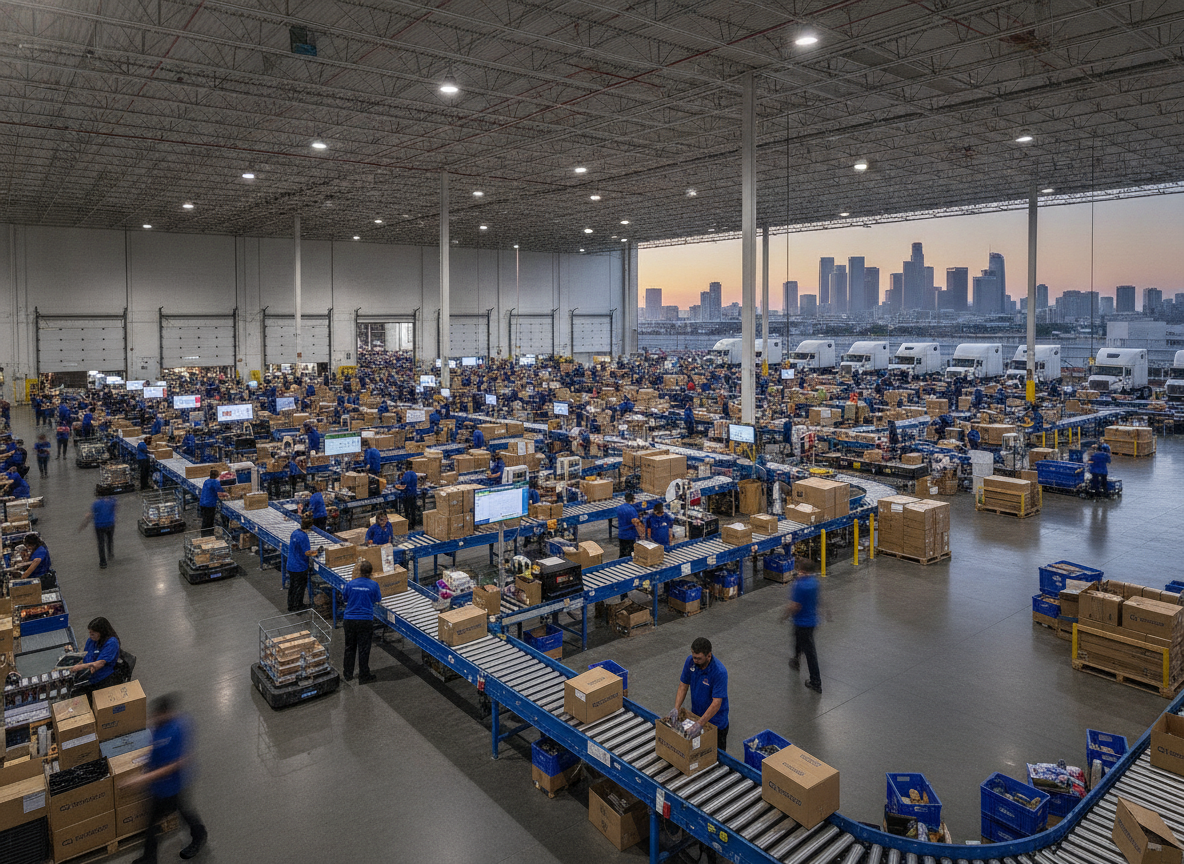
Photo by Quixess Social
First, understanding your marketplaces is paramount. Each platform, Amazon, Walmart, Shopify, has unique fulfillment capabilities, shipping policies, and cost structures. Amazon’s FBA program has specific benefits and limitations. Walmart’s fulfillment network operates differently. Failing to account for these nuances can lead to unexpected fees and delays. Tracking these details and understanding their impact on your margins is crucial. Consult our Marketplace Seller Metrics Dashboard for tracking key metrics.
Setting up Quixess Commerce involves defining routing rules based on factors like customer location, product type, and shipping costs. The platform’s rules engine allows creating complex routing scenarios. Initial configuration should include thorough testing with simulated orders. It’s essential to continuously monitor performance and adjust routing rules to optimize efficiency and minimize costs. Businesses need to be mindful of sales tax and nexus requirements. Our guide to marketplace tax compliance can help navigate these challenges.
Conclusion
Streamlining your e-commerce operations is necessary for survival and growth. Multichannel order routing offers a solution for businesses juggling multiple sales channels. By intelligently directing orders, you can reduce costs, improve customer satisfaction, and unlock opportunities for expansion. A successful implementation requires understanding marketplace requirements and optimizing routing strategies.