

Streamline Stock Velocity Across Amazon, Walmart, and Shopify: The Multichannel Inventory Turnover Ratio
As e-commerce sellers navigate the complexities of multichannel inventory management, optimizing stock velocity is crucial for driving growth and reducing costs. Many businesses struggle with slow-moving inventory, tying up capital and hindering profitability. The multichannel inventory turnover ratio is a key metric for measuring stock velocity. A low turnover rate indicates stagnant inventory, while a high rate could signal stockouts and lost sales. This article explores the multichannel inventory turnover ratio, its importance, and how to calculate and optimize it across Amazon, Walmart, and Shopify.
What is the Multichannel Inventory Turnover Ratio?
Definition
The inventory turnover ratio measures how many times a company sells and replaces its inventory over a specific period, typically a year. It reveals how efficiently a business manages its inventory. A higher ratio generally suggests strong sales and efficient management, while a lower ratio might indicate slow-moving goods or overstocking. In a multichannel environment, this calculation becomes more intricate due to differing sales cycles and demand patterns across platforms. Understanding this ratio is fundamental to maintaining healthy cash flow and maximizing profitability.
Importance
For e-commerce sellers operating across multiple channels, the inventory turnover ratio is significant. It allows businesses to pinpoint which products perform well on specific marketplaces and which are lagging. This data informs decisions about pricing, promotions, and inventory allocation. For example, a product with a high turnover rate on Amazon might warrant increased stock levels, while a product with a low turnover rate on Walmart may necessitate a price reduction or promotional campaign. Monitoring the ratio across different channels can also reveal discrepancies in fulfillment costs. See our guide for a deeper look at optimizing fulfillment expenses.
Key Considerations
Several factors influence the multichannel inventory turnover ratio. Seasonality plays a significant role, with certain products experiencing peaks in demand during specific times of the year. Product lifecycle also matters; newer products typically have a higher turnover rate than older ones. External factors, such as economic conditions and competitor pricing, can also impact sales. Finally, inaccurate demand forecasting can skew the ratio. Sellers should regularly review historical sales data and consider external factors to improve forecasting accuracy. Explore our guide for strategies to improve demand predictions.
Calculating the Multichannel Inventory Turnover Ratio
Determine Inventory Levels
Calculating the inventory turnover ratio begins with accurately determining inventory levels for each channel. This requires tracking beginning inventory, ending inventory, and inventory purchased or manufactured during the period. For multichannel sellers, this means maintaining separate inventory records for Amazon, Walmart, and Shopify. Integrating inventory management software is often essential for streamlining this process and ensuring accuracy. Data discrepancies can skew the final ratio, leading to inaccurate conclusions.

Photo by Quixess Social
Calculate Inventory Turnover
The formula for inventory turnover is: Cost of Goods Sold (COGS) / Average Inventory. COGS represents the direct costs associated with producing or acquiring the goods sold. Average inventory is calculated by adding the beginning and ending inventory levels and dividing by two. For a multichannel business, this means calculating the COGS and average inventory separately for each channel. Sometimes, sellers struggle with overstocking. See our guide for guidance on liquidating excess stock.
Analyze Results
The calculated inventory turnover ratio is a signal. Analyzing the results reveals areas for improvement. A ratio significantly lower than industry benchmarks might indicate overstocking or inefficient practices. Conversely, a ratio significantly higher could suggest stockouts. It’s crucial to compare the ratio across different channels to identify which platforms are performing best. The ideal ratio varies by industry and product type.
Optimizing Stock Velocity Across Amazon, Walmart, and Shopify
Optimizing stock velocity is crucial for e-commerce sellers to maximize profits and stay competitive. Quixess offers a solution to streamline operations and drive growth.

Amazon
On Amazon, optimizing stock velocity involves managing inventory levels, monitoring sales trends, and adjusting pricing strategies. Sellers can use Amazon’s Seller Central to track inventory and sales. They can also use third-party tools to optimize stock levels and reduce waste. For more on managing excess inventory, see our guide.
Walmart
On Walmart, optimizing stock velocity involves managing inventory levels, monitoring sales trends, and adjusting pricing strategies. Sellers can use Walmart’s Seller Center to track inventory and sales. They can also use third-party tools to optimize stock levels and reduce waste.
Shopify
On Shopify, optimizing stock velocity involves managing inventory levels, monitoring sales trends, and adjusting pricing strategies. Sellers can use Shopify Inventory Management to track inventory and sales. Explore our guide for more on demand forecasting.
Best Practices for Managing Multichannel Inventory
Managing multichannel inventory requires a strategic approach. Best practices include identifying reliable suppliers, negotiating prices, and ensuring timely delivery. Inventory management involves tracking stock levels and adjusting pricing strategies. Order fulfillment involves ensuring timely and accurate shipping and providing excellent customer service.
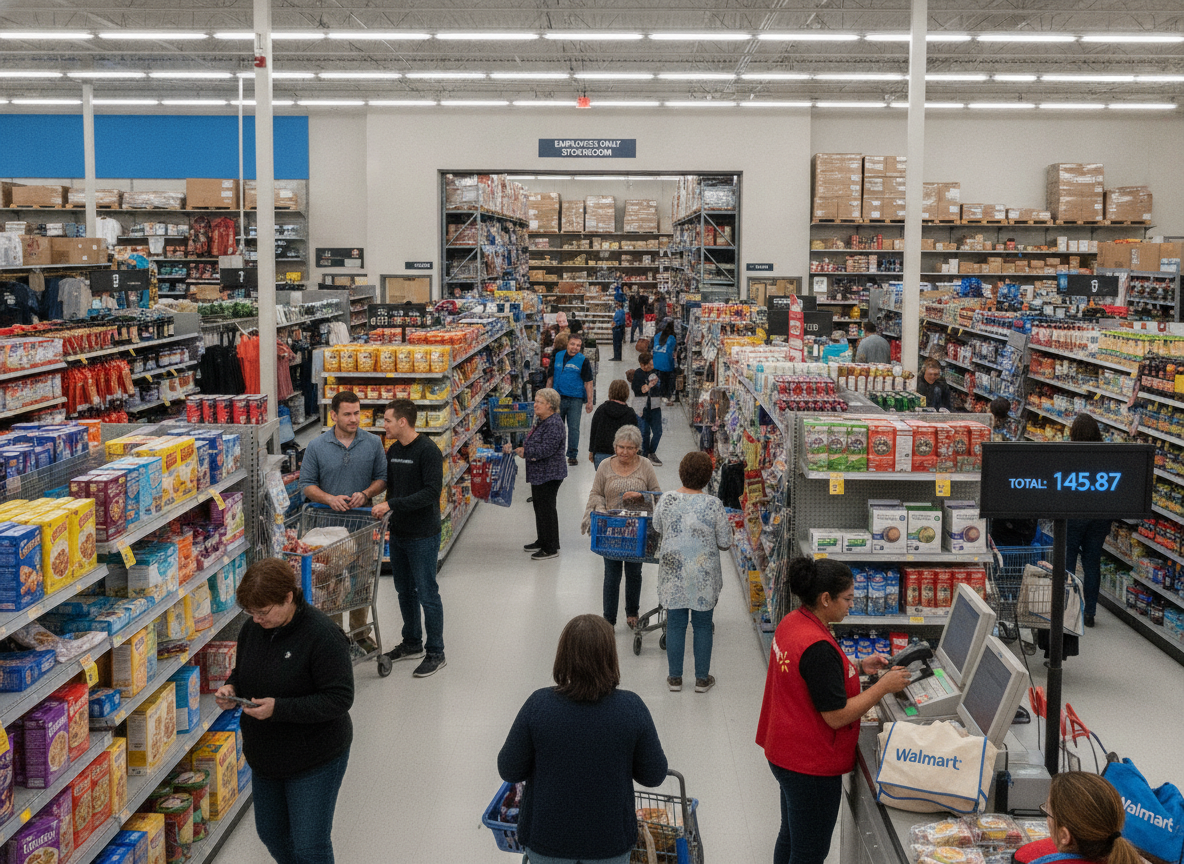
Photo by Quixess Social
Product Sourcing
Product sourcing is critical. Sellers must identify reliable suppliers, negotiate prices, and ensure timely delivery.
Inventory Management
Inventory management involves tracking stock levels, monitoring sales trends, and adjusting pricing strategies. For more on fulfillment cost analysis, see our guide.
Order Fulfillment
Order fulfillment involves ensuring timely and accurate shipping, handling returns and refunds, and providing excellent customer service.
Conclusion
By implementing these strategies, e-commerce sellers can optimize their multichannel inventory turnover ratio and drive growth and profitability. Regularly review and adjust your inventory management strategies. Stay up-to-date with the latest trends and best practices. With the right tools and expertise, sellers can streamline operations, reduce waste, and improve customer satisfaction, leading to increased sales and revenue. Take the next step and start optimizing your multichannel inventory management today.