
Listen to this article
Prefer listening? Play the audio narration below.
Top 10 E-commerce Trends You Can’t Ignore
The e-commerce landscape feels like it’s shifting daily, doesn’t it? Staying ahead of the curve isn’t just about keeping up; it’s about thriving. The world of e-commerce is constantly evolving, with new trends and technologies emerging every day. Many business owners find themselves overwhelmed, unsure which changes to prioritize. In this article, we’ll explore the top 10 e-commerce trends that you can’t ignore in 2026, focusing on practical strategies you can implement *today*. From multichannel ecommerce optimization to innovative dropshipping approaches, we’ll break down what’s working and how to leverage it for success. We’ll also examine solutions like Amazon Fulfillment and Walmart Marketplace automation, and look at how Shopify order management tools can streamline your workflow.
The Rise of Multichannel Ecommerce Optimization
What is multichannel ecommerce optimization?
Multichannel ecommerce optimization refers to the strategic process of managing and improving your online presence across multiple sales channels. It’s more than simply listing your products on several platforms like your own website, Amazon, Etsy, and social media marketplaces. It’s about creating a cohesive and integrated customer experience, ensuring consistent branding, pricing, and inventory management across all touchpoints. Historically, businesses managed each channel independently, leading to fragmented customer journeys and operational inefficiencies. However, today’s consumer expects a seamless and personalized experience, regardless of where they choose to interact with your brand. This requires a holistic approach to ecommerce, recognizing that each channel serves a distinct purpose and caters to a specific audience. For a deeper dive into maximizing your profits this quarter, consider reading our guide to maximizing e-commerce profits in Q1.
Benefits of multichannel ecommerce optimization
The benefits of effective multichannel ecommerce optimization are substantial. Primarily, it leads to increased customer engagement. By providing a consistent and convenient shopping experience, you encourage repeat purchases and foster brand loyalty. Furthermore, optimization directly translates to higher conversion rates. When customers can easily find and purchase your products, regardless of their preferred platform, they are more likely to complete the transaction. A well-optimized multichannel strategy also expands your reach, tapping into new customer segments that may not be accessible through a single channel. This increased visibility and accessibility can significantly boost sales and overall revenue. The ability to analyze data across all channels provides valuable insights into customer behavior, allowing you to tailor your marketing efforts and product offerings for maximum impact.
How to implement multichannel ecommerce optimization
Implementing a successful multichannel ecommerce optimization strategy requires a phased approach. First, conduct a thorough audit of your existing channels. Identify strengths, weaknesses, and areas for improvement. Next, centralize your inventory management. This prevents overselling and ensures accurate stock levels across all platforms. Consider integrating your order management system to streamline fulfillment and shipping processes. Consistent branding is crucial; maintain a uniform look and feel across all channels, reinforcing brand recognition and trust. Finally, leverage data analytics to track performance and identify areas for ongoing optimization. This involves monitoring key metrics like conversion rates, customer acquisition costs, and average order value. Remember to also consider how you’re handling shipping, as it’s a critical part of the customer experience. You can learn more about optimizing shipping margins by reading this guide to shipping margins.
Amazon Fulfillment Solutions USA: A Game-Changer for Ecommerce
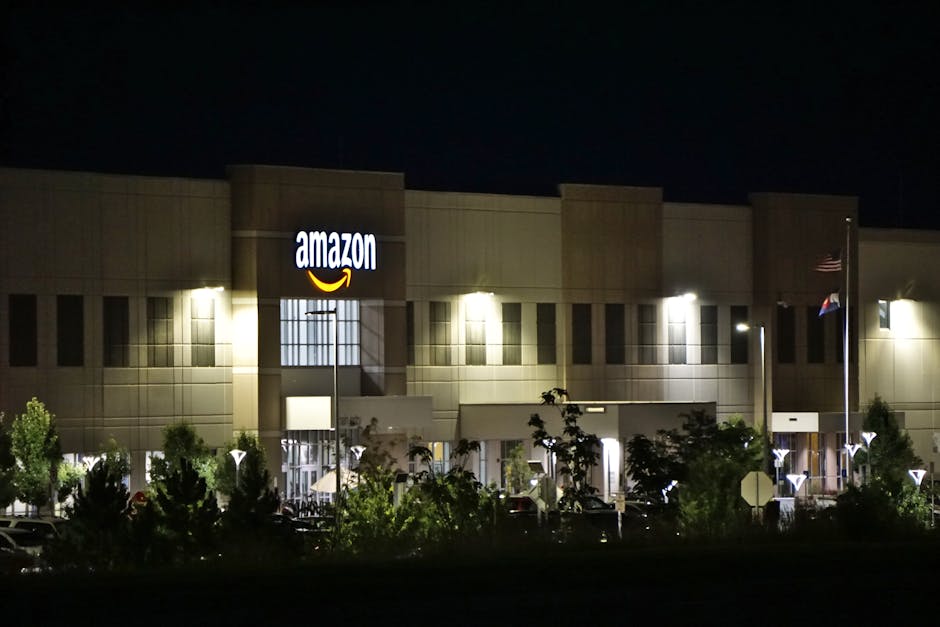
Amazon Fulfillment Solutions USA, often referred to as Fulfillment by Amazon (FBA), represents a significant shift in how many businesses handle order fulfillment. It’s a service where Amazon stores, packs, ships, and provides customer service for your products. This eliminates the need for businesses to manage their own warehousing and logistics, freeing up valuable time and resources. The service has become increasingly popular, especially among smaller businesses, as it offers a cost-effective and scalable solution for fulfilling orders. While the initial setup might seem complex, the long-term benefits often outweigh the initial investment. Understanding the nuances of FBA is crucial for anyone selling on Amazon or looking to expand their reach.

Photo by cottonbro studio on Pexels
According to data from 2023, over 40% of products sold on Amazon were fulfilled through FBA, demonstrating its widespread adoption and impact on the e-commerce landscape. The increased efficiency and reduced costs associated with FBA are major drivers of its popularity. Amazon’s extensive logistics network ensures fast and reliable delivery, which directly contributes to improved customer satisfaction. Furthermore, products fulfilled by Amazon often receive a “Prime” badge, making them more appealing to Prime members, a significant portion of Amazon’s customer base. The platform’s sophisticated inventory management system also minimizes the risk of stockouts and ensures timely replenishment.
How to get started with Amazon fulfillment solutions
Getting started with Amazon Fulfillment Solutions USA involves several steps. First, you’ll need to create an Amazon Seller Central account. Then, you’ll need to enroll in the FBA program. This requires providing information about your products, including dimensions, weight, and packaging details. Next, you’ll ship your products to Amazon’s fulfillment centers. Amazon will then handle storage, picking, packing, shipping, and customer service. It’s important to understand the fees associated with FBA, which include storage fees, fulfillment fees, and referral fees. Careful planning and accurate product information are essential for a smooth onboarding process. For businesses looking to expand their reach beyond Amazon, consider integrating with other marketplaces. This tool can help streamline that process and ensure consistent data across all channels.
Shopify Order Management Tools: Streamlining Your Ecommerce Workflow
Shopify, a leading e-commerce platform, provides a robust ecosystem of apps and tools designed to streamline order management. Shopify order management tools encompass a range of features, from automated order routing and fulfillment to real-time inventory tracking and customer communication. Historically, managing orders manually was a time-consuming and error-prone process. However, with the advent of sophisticated order management tools, businesses can now automate many of the tasks associated with order fulfillment, freeing up valuable time to focus on other aspects of their business. The efficiency gains are particularly noticeable for businesses experiencing rapid growth or managing a large volume of orders.

Photo by Shoper .pl on Pexels
Benefits of using Shopify order management tools
The benefits of leveraging Shopify order management tools are multifaceted. Increased productivity is a primary advantage. Automation reduces manual effort, allowing teams to process orders more efficiently. Reduced errors are another significant benefit. Automated workflows minimize the risk of human error, ensuring accurate order fulfillment and customer satisfaction. Real-time inventory tracking provides valuable insights into stock levels, preventing overselling and stockouts. Improved customer communication, through automated order updates and shipping notifications, enhances the customer experience. For businesses looking to further optimize their operations, consider analyzing their profit insights – you can learn more about this by reading this guide to profit insights.
How to choose the right Shopify order management tool
Selecting the right Shopify order management tool requires careful consideration of your business needs and budget. First, define your specific requirements. Do you need automated order routing, real-time inventory tracking, or advanced reporting capabilities? Next, research available apps and compare their features and pricing. Consider factors like ease of use, integration with other tools, and customer support. Read reviews from other Shopify users to gain insights into the app’s performance and reliability. Many apps offer free trials, allowing you to test them before committing to a subscription. Ultimately, the best Shopify order management tool is the one that best aligns with your business goals and simplifies your workflow.
Walmart Marketplace Automation: Taking Your Ecommerce to the Next Level
Walmart Marketplace automation is rapidly emerging as a crucial strategy for e-commerce businesses seeking to expand their reach and increase sales. Walmart’s marketplace, while initially smaller than Amazon’s, has experienced significant growth in recent years, attracting a large and diverse customer base. Automation simplifies the process of listing products, managing inventory, and fulfilling orders on Walmart Marketplace, allowing businesses to scale their operations efficiently. The increasing competition on other platforms makes Walmart a valuable alternative sales channel.

Photo by Erik Mclean on Pexels
Data from 2025 indicates that Walmart Marketplace sales have grown by over 30% year-over-year, demonstrating its increasing importance in the e-commerce landscape. The benefits of using Walmart marketplace automation include increased efficiency, reduced costs, and improved accuracy. Automating tasks like product listing and inventory synchronization frees up valuable time and resources, allowing businesses to focus on other aspects of their operations. By minimizing manual errors, automation reduces the risk of order discrepancies and customer dissatisfaction. The platform’s reach extends beyond traditional retail, connecting businesses with a broader online audience. Quixess offers a solution to help simplify this process and ensure a seamless experience.
How to get started with Walmart marketplace automation
Embarking on Walmart marketplace automation involves several key steps. First, you’ll need to apply for a Walmart Marketplace seller account. This process requires providing detailed information about your business, products, and fulfillment capabilities. Once approved, you’ll need to connect your Shopify store or other e-commerce platform to Walmart Marketplace. This can be done manually or through a third-party automation tool. Next, you’ll need to optimize your product listings, ensuring accurate descriptions, high-quality images, and competitive pricing. Finally, you’ll need to set up automated workflows for inventory synchronization and order fulfillment. This ensures that your product information and order status are always up-to-date across all channels. Remember to analyze your data regularly to optimize your strategies. You can find more information on this topic by reading this article on profitability in e-commerce.
Section 5: Dropshipping Business Success Strategies: Tips and Tricks
What is dropshipping?
Dropshipping represents a compelling entry point into the e-commerce world, particularly for entrepreneurs seeking to minimize upfront investment and operational overhead. Essentially, with dropshipping, you don’t maintain a physical inventory. Instead, when a customer places an order on your online store, you forward that order to a third-party supplier who ships the product directly to the customer. You, as the retailer, are responsible for marketing and sales, handling customer service, and managing the online storefront. This model bypasses the complexities of warehousing, packaging, and shipping, allowing you to focus on building your brand and attracting customers. The simplicity of the process has made it a popular choice, especially for those new to online retail.

Photo by saravut vanset on Pexels
Benefits of using dropshipping
The appeal of dropshipping extends beyond its initial simplicity. One significant advantage is the reduced financial risk. Without the need to purchase and store inventory, your initial investment is considerably lower. This allows you to test product ideas and market niches without committing substantial capital. Furthermore, dropshipping offers incredible flexibility. You can operate your business from anywhere with an internet connection, and the lack of inventory management frees up your time to concentrate on marketing, customer acquisition, and expanding your product offerings. Many entrepreneurs leverage this flexibility to build side hustles or full-time businesses, capitalizing on emerging trends and consumer demands. For example, a seller might quickly add trending pet accessories to their store without needing to stock them beforehand.
How to succeed with dropshipping
While dropshipping offers numerous benefits, success isn’t guaranteed. Careful planning and diligent execution are crucial. Selecting reliable suppliers is paramount; research their shipping times, product quality, and customer service reputation. Thorough product research is equally important – identify products with consistent demand and manageable competition. Effective marketing is essential; utilize social media, paid advertising, and content marketing to drive traffic to your store. Remember that customer service remains your responsibility, even though the supplier handles shipping. Prompt and helpful responses to inquiries and resolution of issues build trust and foster customer loyalty. Consider exploring how data-driven insights can help you optimize your product selection and marketing campaigns. Finally, continually analyze your sales data and adapt your strategies to maximize profitability and stay ahead of the competition.
Section 6: Print on Demand Drop Shipping: A Game-Changer for Ecommerce
What is print on demand drop shipping?
Print on demand (POD) dropshipping combines the benefits of both dropshipping and print-on-demand services. In this model, you design products – such as t-shirts, mugs, posters, or phone cases – and list them on your online store. When a customer orders one of your designs, a third-party print-on-demand provider produces the item and ships it directly to the customer. You don’t need to hold any inventory; the provider handles printing and fulfillment. This allows for a wide range of customizable products without the upfront investment and storage costs associated with traditional retail. POD offers a unique blend of creativity and convenience for e-commerce entrepreneurs.

Photo by Markus Winkler on Pexels
Benefits of using print on demand drop shipping
The efficiency of POD dropshipping is a major draw for many businesses. It significantly reduces costs associated with inventory management and warehousing. You only pay for products when they are ordered, eliminating the risk of unsold stock. The creative freedom is also a key advantage – you can easily experiment with different designs and product types without significant financial risk. Furthermore, POD allows for a highly personalized customer experience. You can offer customized products, catering to individual preferences and creating unique items that resonate with your target audience. The low barrier to entry makes it an attractive option for artists, designers, and small businesses looking to expand their product offerings. According to a 2023 report, the global print-on-demand market was valued at $5.5 billion, and is expected to continue growing substantially.
How to get started with print on demand drop shipping
Getting started with POD dropshipping is relatively straightforward. First, choose a reputable print-on-demand provider – consider factors like product quality, shipping times, and design capabilities. Popular platforms include Printful, Printify, and Gelato. Next, create your designs and upload them to the POD platform. You can then integrate the platform with your online store, such as Shopify or Etsy. Carefully select your products and set your pricing to ensure profitability. Marketing your designs is crucial; utilize social media, influencer collaborations, and targeted advertising to reach your ideal customers. Remember to clearly communicate shipping times and return policies to manage customer expectations. For those looking to further optimize their business, exploring techniques for streamlining Etsy businesses can provide valuable insights.
Section 7: The Future of Ecommerce: Trends and Predictions
Emerging technologies in ecommerce
The e-commerce landscape is constantly evolving, driven by rapid technological advancements. Artificial intelligence (AI) is playing an increasingly significant role, powering personalized recommendations, chatbots for customer service, and dynamic pricing strategies. Augmented reality (AR) is transforming the shopping experience, allowing customers to virtually “try on” clothes or visualize furniture in their homes before making a purchase. Blockchain technology is gaining traction for secure transactions and supply chain transparency. Furthermore, the metaverse is emerging as a potential new frontier for e-commerce, offering immersive shopping experiences in virtual worlds. The Rise of AI in E-Commerce Solutions highlights the transformative power of these technologies.
Trends to watch in 2026
Several key trends are shaping the e-commerce landscape in 2026. Personalization remains paramount; consumers expect tailored experiences and relevant product recommendations. Sustainability is becoming a major purchasing factor, with consumers increasingly favoring brands committed to ethical and environmentally friendly practices. Voice commerce, driven by the proliferation of smart speakers, is expected to continue its growth trajectory. Mobile commerce continues to dominate, with consumers increasingly shopping on smartphones and tablets. Furthermore, the rise of social commerce, where purchases are made directly within social media platforms, is blurring the lines between entertainment and retail. Many sellers are finding success by optimizing their approach to increasing online store traffic during key seasonal periods.
Predictions for the future of ecommerce
Looking ahead, we anticipate further integration of AI and AR into the e-commerce experience. The metaverse will likely become more mainstream, offering new opportunities for brands to connect with consumers in immersive virtual environments. Hyper-personalization, driven by advanced data analytics, will become the norm. Supply chain resilience will remain a critical focus, as businesses strive to mitigate disruptions and ensure timely delivery. The lines between physical and digital retail will continue to blur, with omnichannel experiences becoming increasingly seamless. Data suggests that by 2028, global e-commerce sales are projected to exceed $6.5 trillion, demonstrating the continued growth and evolution of the industry. For those seeking a deeper understanding of profitability, see our guide to understanding profitability in e-commerce.
Conclusion
In conclusion, these top 10 e-commerce trends will help you streamline your operations and drive growth in 2026. From dropshipping and print-on-demand to the integration of AI and AR, the opportunities for innovation and success are abundant. The e-commerce landscape is dynamic, requiring businesses to adapt and embrace new technologies to stay competitive. Don’t miss out on the opportunity to take your ecommerce business to the next level. Contact Quixess today to learn more about our solutions.
“`