

Order management mistakes can be costly for e-commerce businesses. A misplaced shipment, a delayed notification, or a simple data entry error can quickly snowball into customer dissatisfaction and lost revenue. With the rise of multichannel ecommerce, managing orders across Amazon, Shopify, Walmart Marketplace, and countless other platforms has become increasingly complex. It’s no longer enough to simply process orders; you need a robust system to ensure accuracy, efficiency, and a seamless customer experience.
This guide explores the challenges of managing orders in a multichannel environment, the consequences of poor order management, and actionable strategies for streamlining processes. We’ll delve into the power of automation, examine best practices for ecommerce operations streamlining, and uncover growth strategies for Walmart Marketplace sellers.
The Multichannel Ecommerce Management Challenge
Defining multichannel ecommerce
The modern e-commerce landscape is defined by choice for consumers and businesses. Consumers shop across various platforms, from Amazon and Walmart Marketplace to independent stores built on platforms like Shopify. This proliferation of sales channels defines multichannel ecommerce. It represents a significant shift from relying on a single website or brick-and-mortar location. Businesses now need to manage inventory, pricing, and order fulfillment across multiple touchpoints, creating complex processes.
Consider a small business selling handcrafted jewelry on Etsy, Shopify, and Amazon Handmade. Each platform has unique requirements for product listings, shipping policies, and customer communication. Managing these discrepancies manually is a recipe for errors. For more on managing these complexities, see our guide to mastering multichannel ecommerce management.
The impact on order management
The core of multichannel ecommerce lies in the seamless management of orders. With each new sales channel, the complexity increases. It’s about routing orders, updating inventory in real-time, and ensuring accurate shipping information. The potential for errors increases when processes are handled manually or through disparate systems.
If a customer places an order for the same product on both Shopify and Amazon, incorrect inventory synchronization risks overselling, leading to canceled orders. Inconsistencies in shipping costs or delivery times create a fragmented customer experience, damaging brand reputation. Maintaining accurate information across all channels requires coordination and precision without the right tools and processes.
The Consequences of Poor Order Management
Order fulfillment errors
Small mistakes can have significant consequences. Poor order management frequently manifests as order fulfillment errors- shipments to the wrong address, incorrect items, or orders lost entirely. These errors represent a direct hit to a business’s bottom line. The cost of correcting these errors, including reshipping and dealing with complaints, can add up.

Photo by Kampus Production on Pexels
Imagine a customer receiving the wrong product or nothing at all. This is frustrating and damages brand reputation. Customers share negative experiences online, potentially deterring other buyers. Repeated errors can lead to chargebacks, eroding profitability. A single fulfillment error can extend far beyond the immediate transaction.
Customer satisfaction and loyalty
Customer satisfaction and loyalty hinge on consistently delivering on promises—and that starts with getting orders right. Poor order management threatens both. Delayed, inaccurate, or missing orders lead to frustrated customers who are less likely to return. Negative experiences are amplified online, damaging a brand’s reputation. Retaining existing customers is more cost-effective than acquiring new ones. A single negative experience can drive a customer away permanently. To help drive sales and keep customers happy, check out top summer items for online shoppers.
Streamlining Order Management with Automation
Shopify dropshipping automation
The rise of dropshipping has revolutionized e-commerce. However, managing a dropshipping business can be challenging, particularly with multiple suppliers and orders. Shopify dropshipping automation tools streamline order processing, inventory management, and shipping logistics. These tools connect to Shopify stores and automatically import product information, track order status, and update inventory levels.
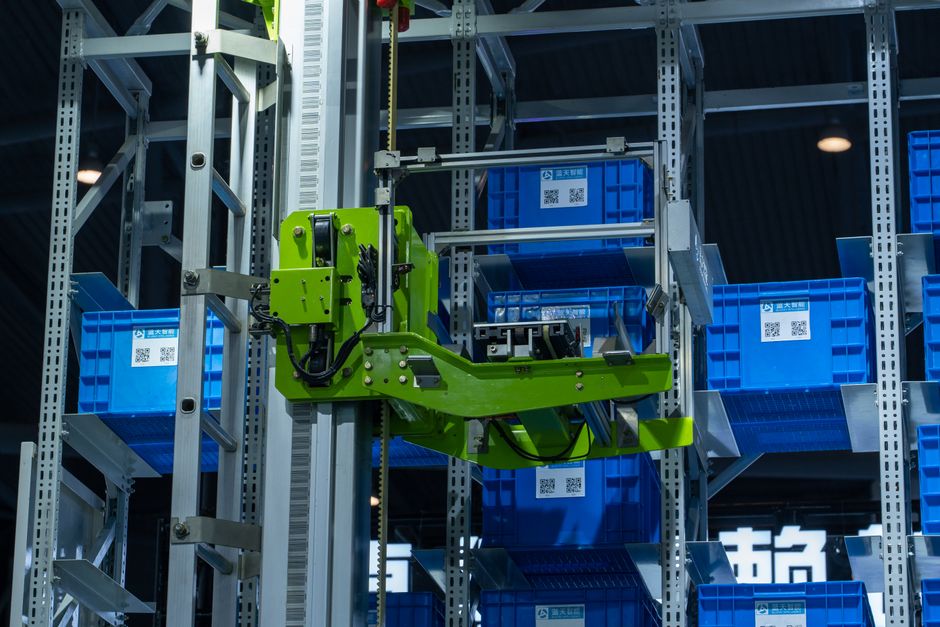
Photo by Peter Xie on Pexels
Manually entering order details into multiple supplier platforms and tracking shipping information is time-consuming. Automation tools eliminate these tasks, freeing up time and reducing errors. When a customer places an order, the tool automatically forwards details to the supplier, who ships directly to the customer. This eliminates the need for the store owner to handle fulfillment. For more on streamlining operations, check out streamlining Shopify operations.
Amazon seller optimization
Selling on Amazon offers opportunities for growth but also presents unique challenges. Amazon seller optimization involves optimizing product listings, managing inventory, and navigating Amazon’s fulfillment network. Automation tools streamline these processes and maximize sales.
Managing inventory levels and avoiding stockouts or overstocking is a challenge for Amazon sellers. Automation tools track inventory, set reorder points, and generate purchase orders, ensuring products are available. These tools also help optimize product listings by automatically updating pricing, keywords, and descriptions based on market trends. Quixess offers tools designed to streamline Amazon seller operations. For more on maximizing revenue potential, see why Amazon sellers are failing to reach maximum revenue potential.
Ecommerce Operations Streamlining: Best Practices
Inventory management
Effective inventory management is essential for a successful e-commerce operation. Accurately tracking stock levels, predicting demand, and proactively managing replenishment directly impacts customer satisfaction and profitability. Many businesses struggle with stockouts or overstocking. The rise of multichannel ecommerce management has amplified this challenge. Implementing a robust inventory management system is essential.

Photo by AI25.Studio Studio on Pexels
Utilizing ABC analysis categorizes inventory based on value and usage rate, allowing businesses to prioritize management efforts. Integrating inventory management with sales data provides valuable insights into product performance and demand patterns. For example, a seasonal retailer might analyze sales data from the previous summer to anticipate demand for specific items in the coming months.
Order tracking and fulfillment
Transparency and efficiency in order tracking and fulfillment are paramount. Customers expect real-time visibility into the status of their orders. A lack of visibility can lead to frustration and increased customer service inquiries. Implementing a robust order tracking system provides customers with this information. Automated email and SMS notifications keep customers informed at every stage. Optimizing the fulfillment process includes streamlining picking, packing, and shipping operations. Businesses utilizing shopify dropshipping automation often face challenges in ensuring consistent fulfillment quality, highlighting the need for careful supplier selection and ongoing performance monitoring.
Walmart Marketplace Sales Growth Strategies
Product research and optimization
Success on Walmart Marketplace hinges on identifying products with high demand and low competition. Thorough product research is crucial. This involves analyzing search volume, competitor pricing, and customer reviews. Tools that provide insights into trending products and keyword popularity are invaluable. It’s not enough to simply list a product; it needs to be optimized for Walmart’s search algorithm. This includes crafting compelling product titles and descriptions that incorporate relevant keywords, using high-quality images, and accurately categorizing the product. A common mistake is failing to adapt product listings to Walmart’s format. Understanding what categories are performing well, as outlined in Most Popular Categories For Online Purchases In The U.S., can inform product selection.

Photo by https://kaboompics.com/ on Pexels
Ongoing optimization is key. Regularly monitoring product performance, analyzing customer feedback, and adjusting pricing and promotions are vital. A/B testing different product titles and descriptions can reveal which variations resonate best with Walmart shoppers. Consider the impact of seasonal trends; capitalizing on popular items like those detailed in Top Summer Items in 2026 can drive significant sales increases.
Order management in Walmart Marketplace
Efficient order management is critical for maintaining a positive seller reputation on Walmart Marketplace. Walmart places a high premium on order fulfillment speed and accuracy. Sellers must promptly acknowledge orders, ship products on time, and provide accurate tracking information. Automating order processing and fulfillment is essential for scaling a Walmart Marketplace business. Many sellers find that a lack of robust order management systems leads to missed deadlines and customer dissatisfaction. Successfully navigating Walmart’s marketplace requires a dedication to operational excellence and a customer-first approach.
Conclusion
Reducing order management mistakes is about building a sustainable and profitable e-commerce business. Streamlining inventory management and optimizing order tracking and fulfillment directly impact customer satisfaction and operational efficiency. Understanding the importance of product research and effective order management are vital for achieving growth on Walmart Marketplace. Failing to address these areas can lead to lost sales and business stagnation.
The complexities of omnichannel retail and multichannel ecommerce management can be overwhelming. By implementing the best practices outlined above, businesses can take control of their order management processes and unlock their full potential. Don’t let mistakes hold you back – streamline your operations with Quixess and start driving growth today. Explore our platform to discover how we can help you optimize your inventory, automate your fulfillment, and elevate your customer experience.